For many years, Mozambique’s health system faced major challenges in managing and providing timely access to essential laboratory results, such as viral load, that are crucial for the clinical follow-up of people living with HIV. The process was slow and manual: results generated in the Laboratory Information System (DISA) had to be printed and handed over to the clinicians or entered one by one into the Electronic Patient Tracking System (SESP). Typing errors, missing information, and long waiting times were part of the daily routine.
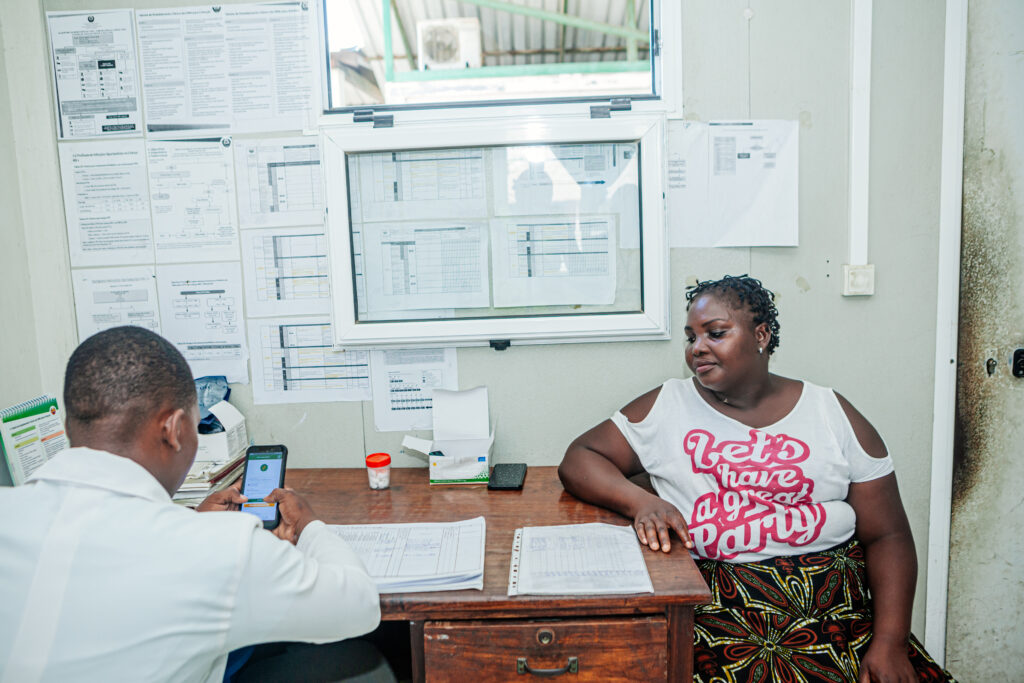
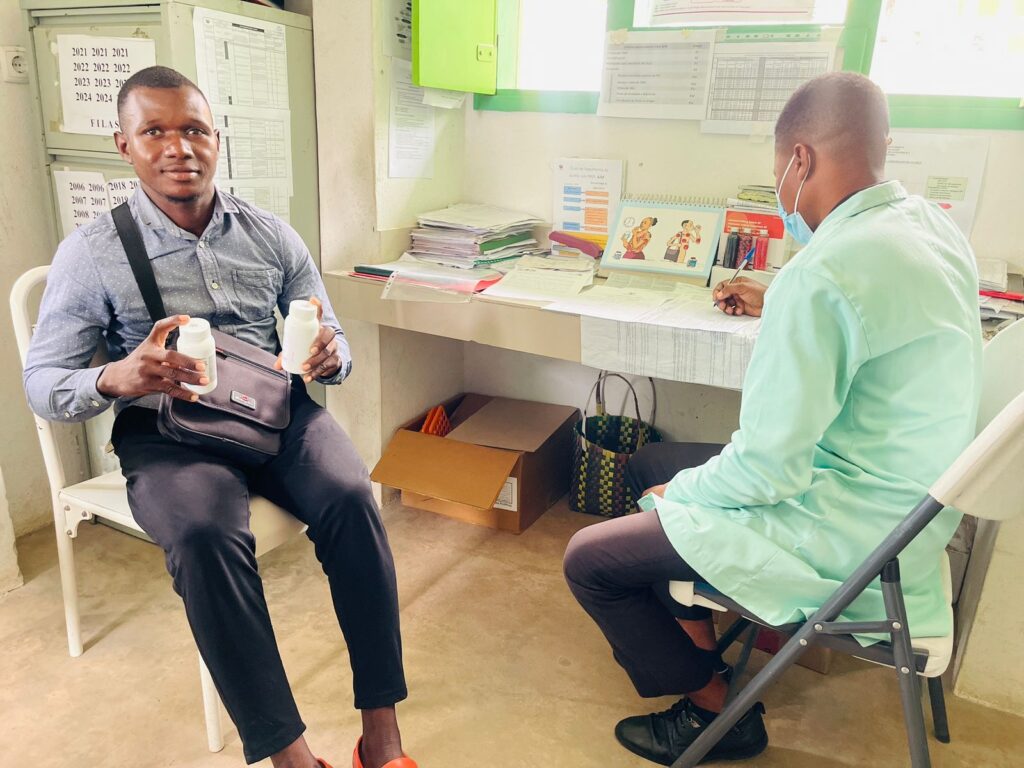
Filomena Vili recalls the days when she had to return to the health facility multiple times just to get her viral load result. “Sometimes I would come back three times, and still there was no result,” she says. Today, things have changed. As soon as her sample is collected, it is entered in the DISA system and once processed at a referral laboratory, the clinical officer at her facility can immediately see the result directly on his phone.
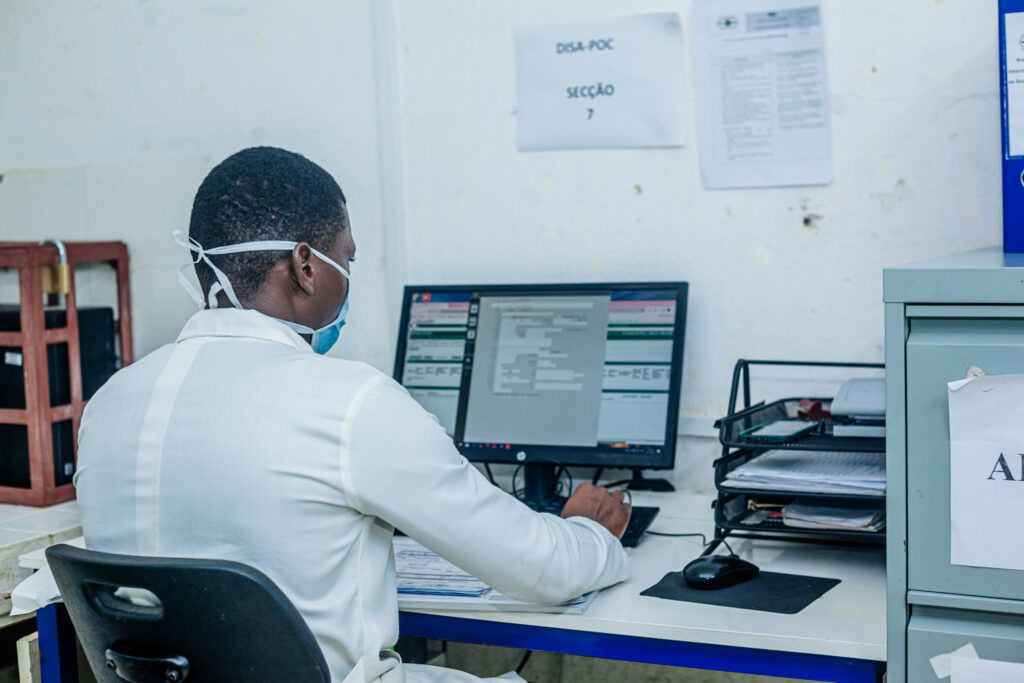
To transform this reality, the Ministry of Health of Mozambique, with support from the U.S. Government and CDC, with support from C-Saúde Health Information Systems team and other implementing agencies, invested in innovative digital interoperability solutions. The automatic connection between DISA and SESP now allows laboratory results to be transmitted electronically and instantly to each patient’s medical record, generating the e-Lab, an electronic laboratory form.
Today, once a test is completed at the referral laboratory, usually hundreds of miles away from the health facility, clinicians can access the results in real time.
“Before, we used to wait for days; now, on the same day, I can counsel the patient and make clinical decisions based on up-to-date information,” explains Lúcio Assis, a Clinical Officer at 24 de Julho Health Center.
The impact is visible: waiting times from sample collection to receiving the results have been reduced from weeks to days, strengthening the quality of care provided. Data quality and integrity have also improved thanks to the employment of applications that use global standards, such as HL7, which prevent duplication and enable the correction of identified discrepancies. The integration with SESP also makes it possible to track each result and ensure that no information is lost.
In Quelimane, Lúcio adds: “Interoperability has completely changed our work. Today, we treat people with more confidence—we know the system is working with us, not against us.”
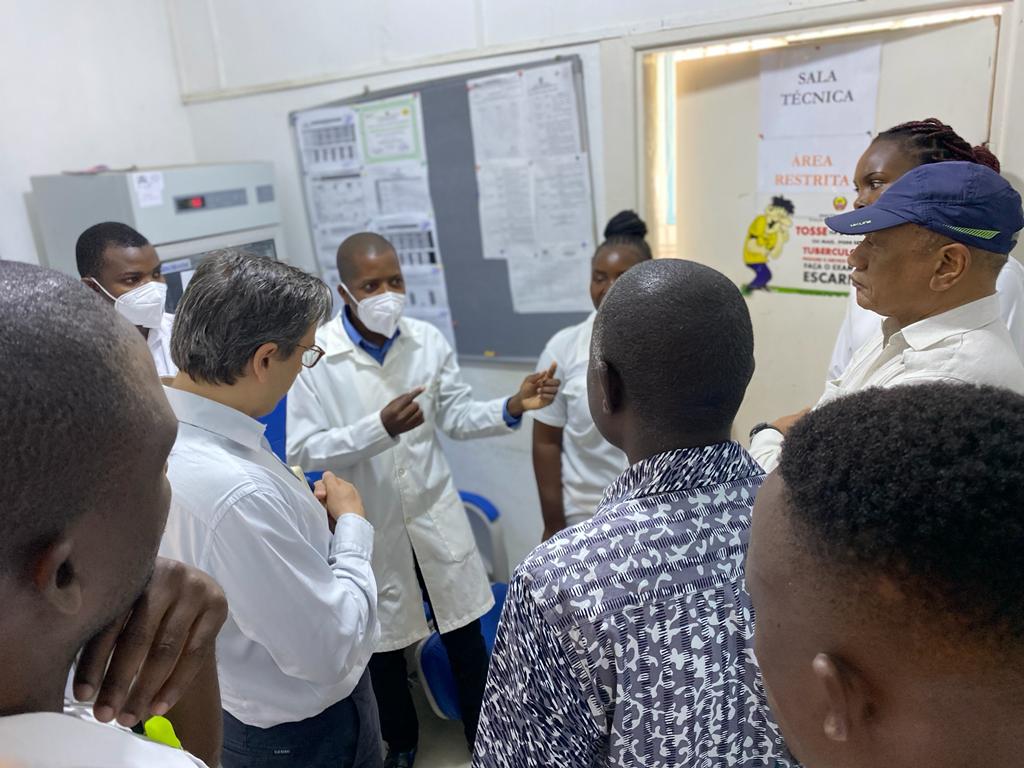
Initially launched in Zambézia Province with 144 synchronized health facilities, the interoperability platform has now expanded to cover all provinces across the country with more than 500 health facilities implementing the system, and a million plus viral load results transmitted to SESP in the past 12 months. C-Saúde’s interoperability team has been instrumental in the design and development of the solution, along with technical support to clinical implementing agencies throughout the country to implement the solution.
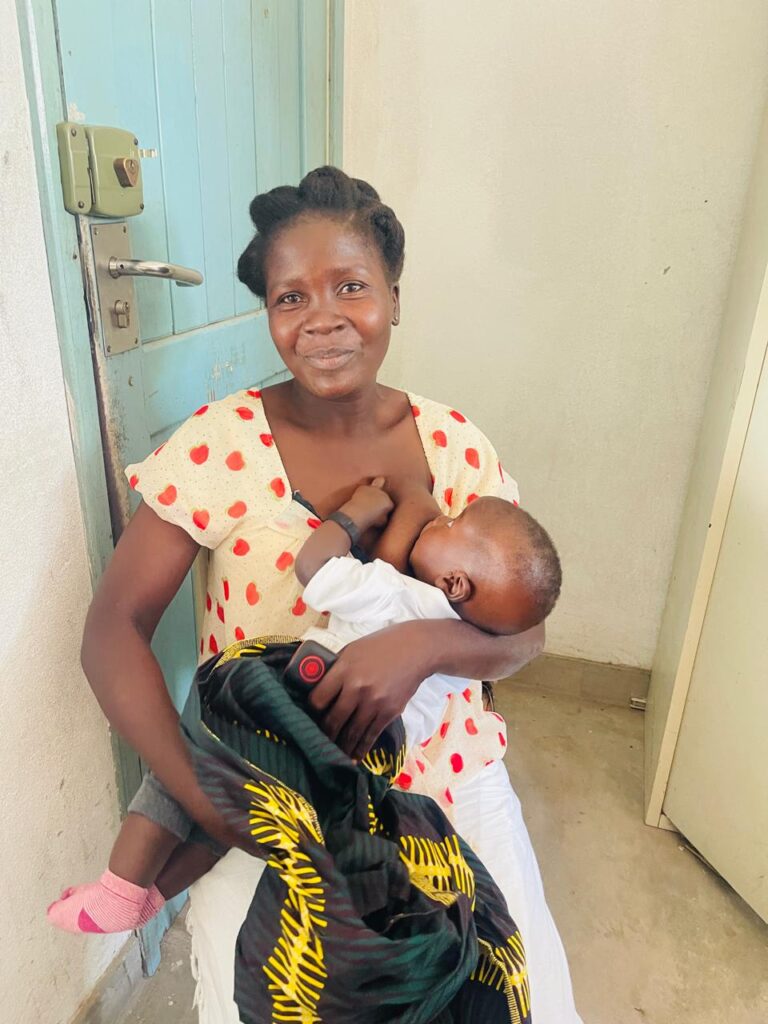
The DISA–SESP interoperability stands as a symbol of cooperation and vision—a collective achievement of the Ministry of Health, C-Saúde, the U.S. Government, dedicated health professionals, and every person on antiretroviral treatment, who now receives their results at the right time.