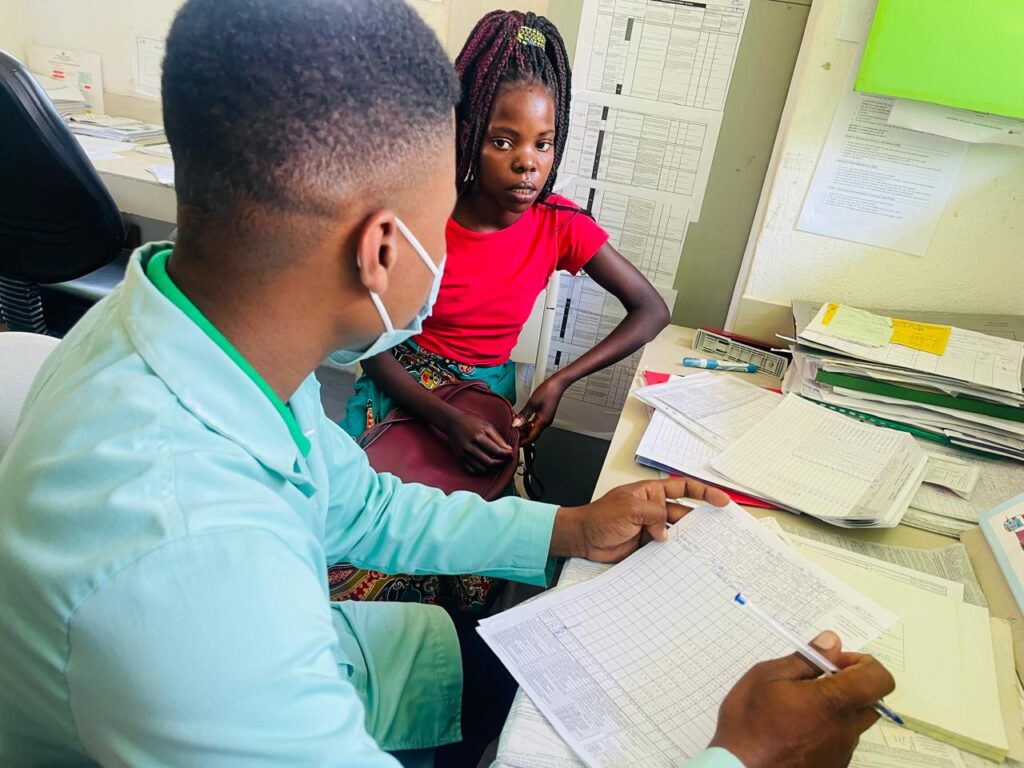
When a woman arrives late to her first Antenatal Care (ANC) consultation, when someone declines to prevent HIV by taking pre-exposure prophylaxis (PrEP), or abandons Antiretroviral Treatment (ART) for HIV, the indicators record poor adherence to health services. These formulations are essential for monitoring the quality of the services provided, but they conceal an essential question that is not always put to the communities themselves: why?
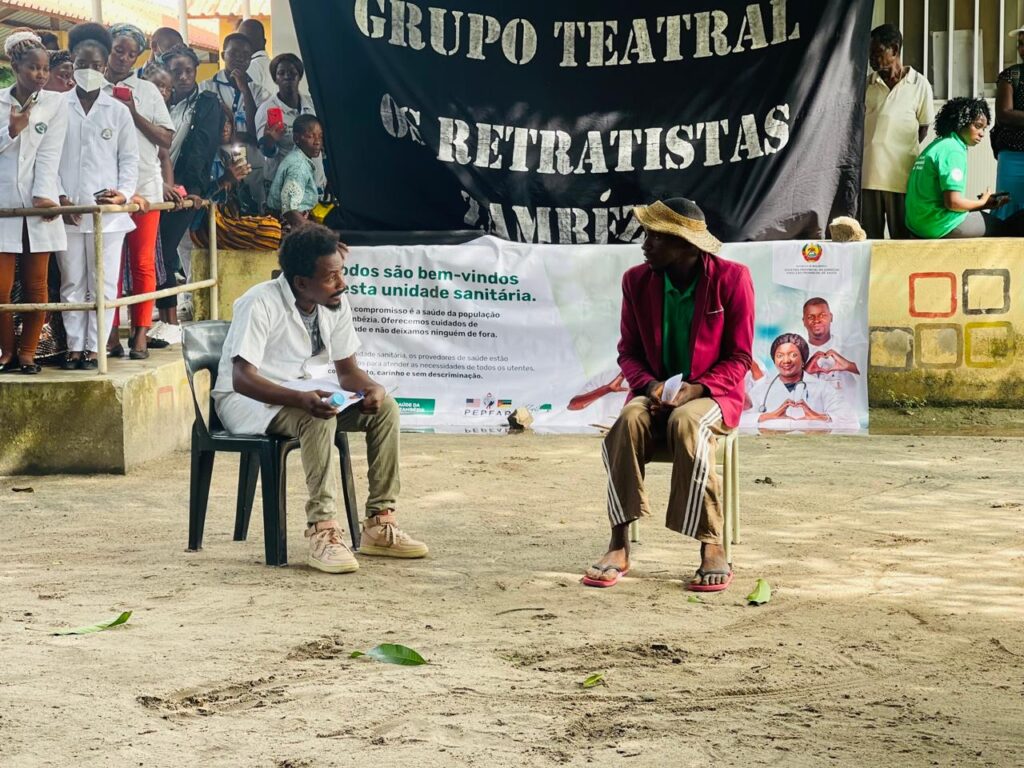
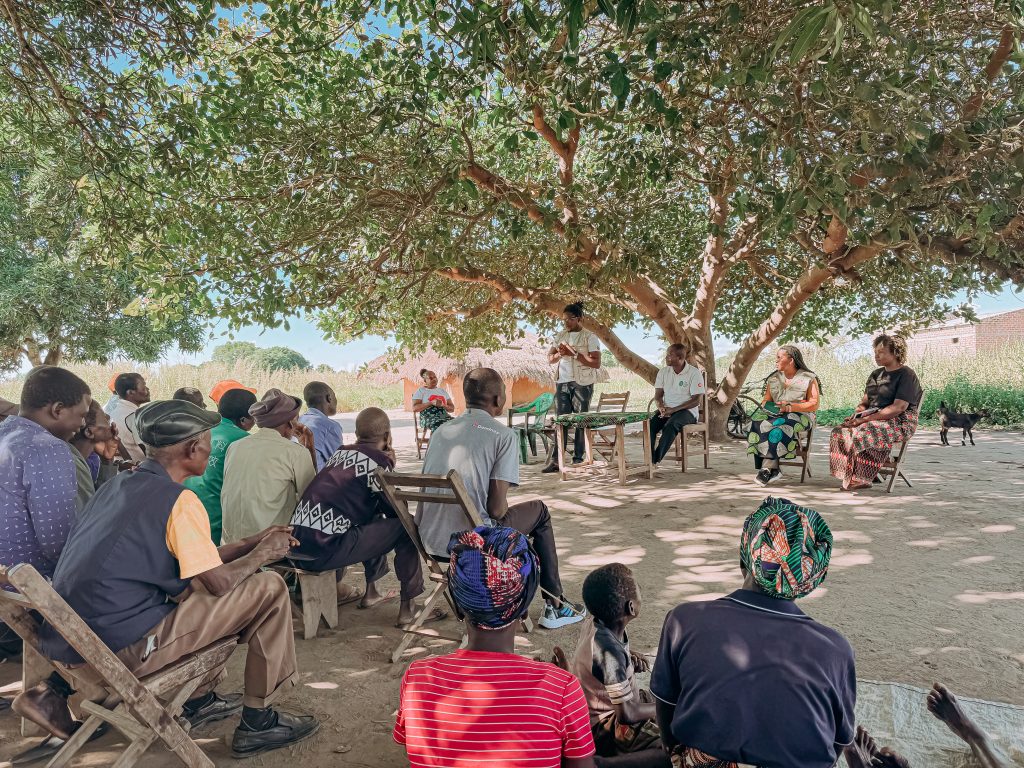
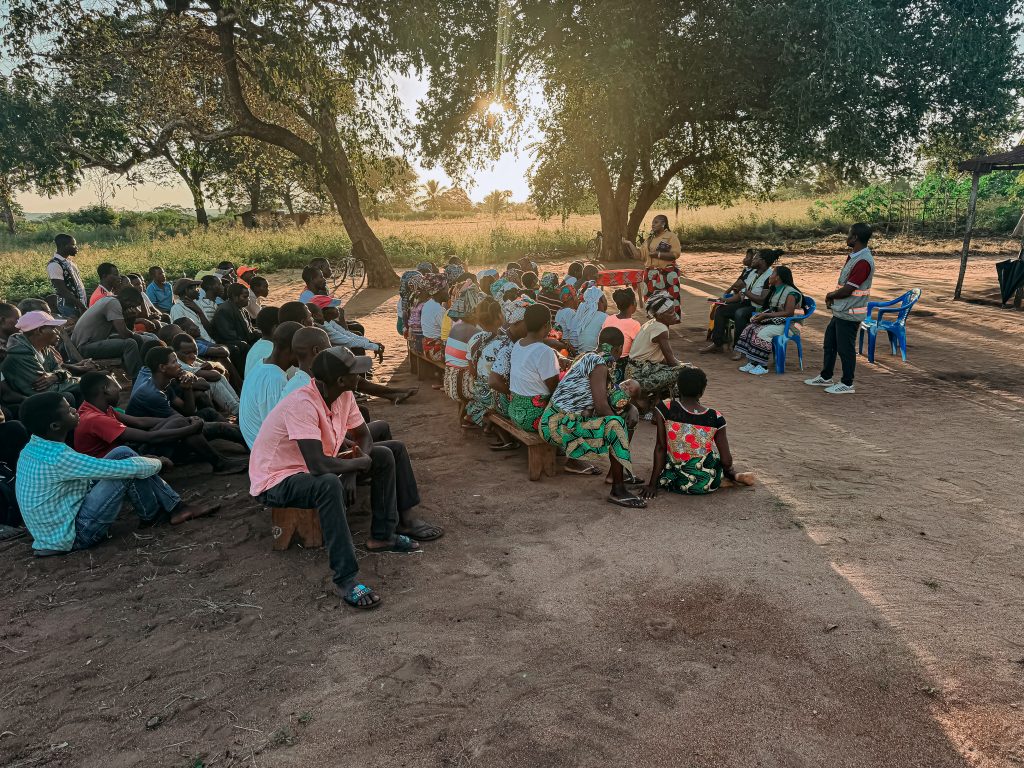
It was precisely this question that led C-Saúde, in coordination with the District Services for Health, Women and Social Action (SDSMAS) of Mopeia, to the communities of Dande, Malulo and Marruma, in Zambézia province, between 8 and 12 June. Over five days of community listening, mobilization and awareness-raising activities, more than 230 people — including community members, community and religious leaders, members of the Health Committees, community health workers (APS) and representatives of local institutions — came together to talk about maternal health and the HIV response.
What happened in Mopeia reflects a principle widely supported by scientific evidence: listening to communities is not merely a step that precedes intervention. It is, in itself, a form of intervening.
Dialogue as a starting point for change
Since the Alma-Ata Declaration (1978), the World Health Organization has recognized community involvement as an essential component of primary health care. This principle gained new momentum in 2024, when the Member States of the World Health Assembly adopted Resolution WHA77.2, committing to strengthening social participation and the active involvement of communities in the decisions that affect their health.
However, delivering on this global commitment remains a challenge. A recent analysis of 102 health ministries in low- and middle-income countries (Cocoman et al., 2025), including Mozambique, revealed that community participation, where it exists, tends to be concentrated in the planning stages, and is far less frequent in the implementation and monitoring of maternal and newborn health services.
Research in communication for social and behavior change points in the same direction. For a long time, many health programs were based (and, in many contexts, continue to be based) on a model of vertical transmission of information: services and specialists hold the knowledge and the decision-making power; communities are left to receive the messages and adopt the recommended behaviors. Decades of research show, however, that information alone is rarely enough to transform behaviors.
Change becomes more likely when communication is dialogical: when people have space to express doubts, confront perceptions and social norms, discuss experiences and reach their own conclusions. It is the logic, inspired by the thinking of Paulo Freire, of building health with communities, and not merely for them.
In Mopeia, the answers came from the communities themselves
That is precisely what happened in Mopeia. The purpose of the sessions held in Dande, Malulo and Marruma was to understand the factors behind indicators that continue to challenge maternal health and the HIV response: women’s late arrival at their first ANC consultation, men’s limited participation in maternal health, refusal of PrEP, and difficulties in adherence to ART, particularly among pregnant and breastfeeding women. And the answers came from the communities themselves.
In Marruma, several women explained that the distance between their homes and the health facility weighs on the decision to start ANC late. But, over the course of the dialogue with the health teams, the participants themselves concluded that the benefits of early consultation outweigh the challenges of the journey.
Men, in turn, acknowledged that they often do not accompany their partners to these consultations because they do not know the importance of their involvement during pregnancy and the postpartum period. And not only that: social norms that place all responsibility related to pregnancy on women also make men ashamed of being seen in maternal and child health services and of being considered less masculine.
The conversations revealed a set of barriers to adherence that are not always visible in the indicators: lack of accurate and persuasive information, social norms that discourage male participation, distance from health services, and a shortage of spaces for dialogue.
From dialogue to action
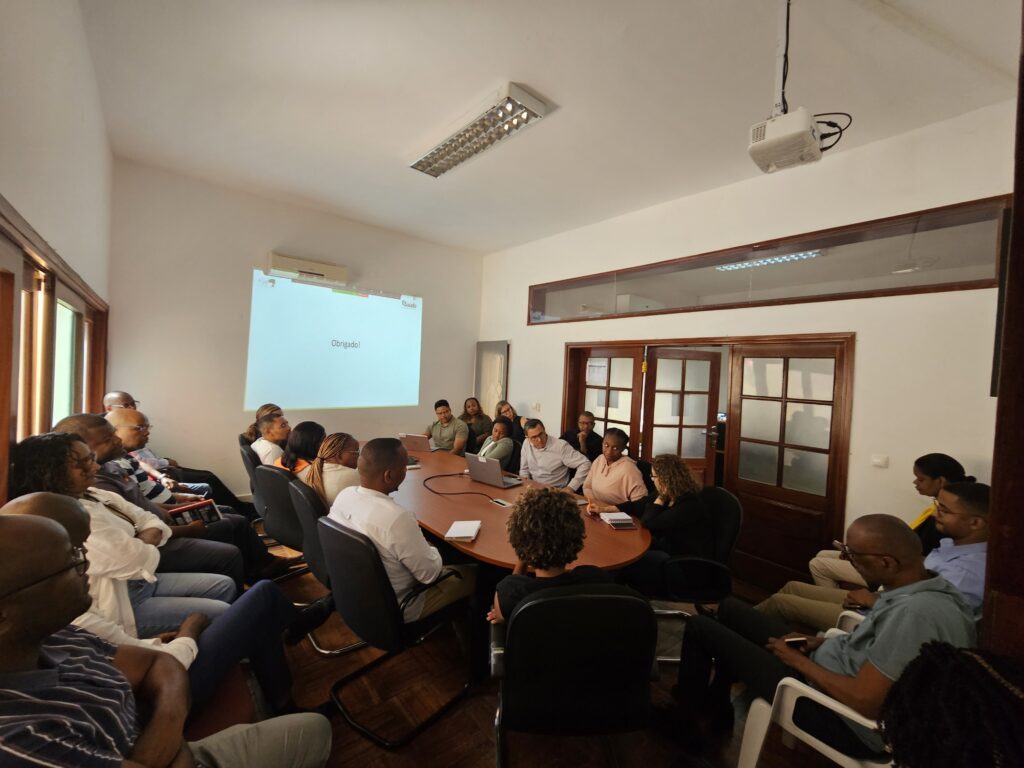
More than clarifying doubts, the community meetings created space for the joint construction of solutions. At the end of the sessions, community and religious leaders made concrete commitments: to strengthen awareness-raising for early ANC, encourage male participation in consultations, support the identification and referral of pregnant women to health services, promote adherence to PrEP and ART, and strengthen the link between communities and health facilities. Participants also expressed openness to hosting future Health Counselling and Testing (HCT) activities.
The intervention also included a working session with Mentor Mothers, whose role is essential in increasing adherence to antenatal and postnatal services.
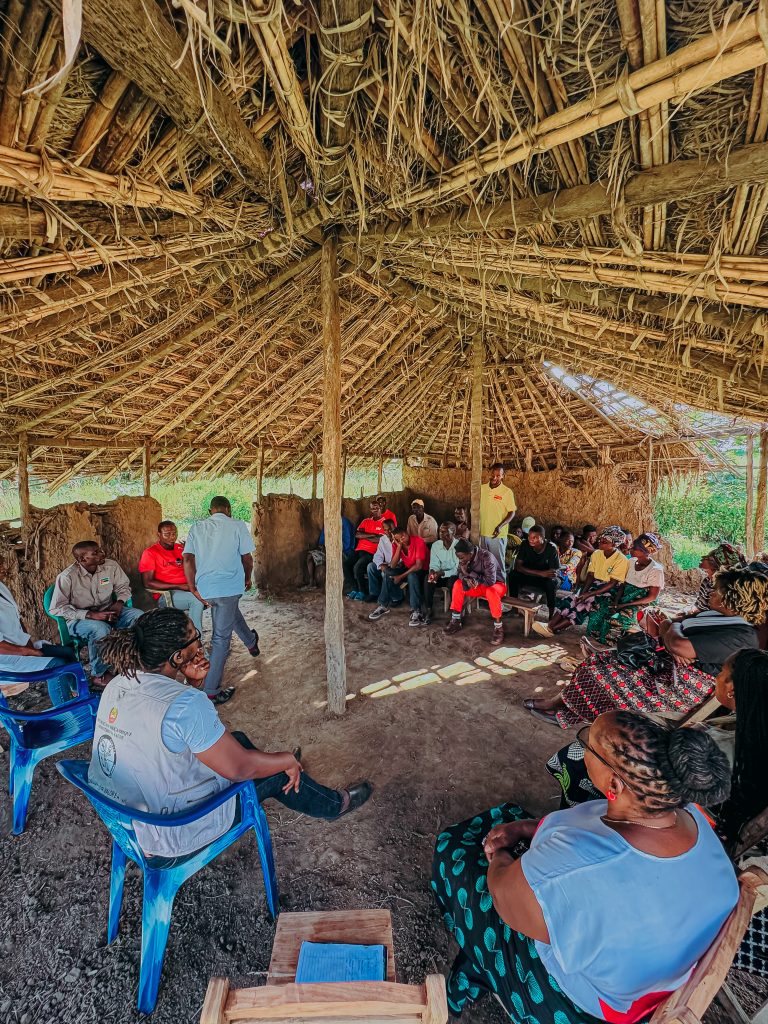
The work does not end here. C-Saúde and the Mopeia SDSMAS will continue to follow up on the commitments made and to reinforce health promotion activities in the communities covered.
The strong participation recorded — most notably in Marruma, which brought together more than a hundred participants — confirms what research has been demonstrating: when there is space for them to participate, communities want to discuss their health, help make sense of the challenges they face, and be part of building the solutions.
Perhaps that is the main lesson from Mopeia. The indicators will continue to show who arrives late, who abandons a treatment or who declines a service. But understanding why remains one of the essential conditions for finding effective responses. Because listening to communities is not just gathering information: it is a way of building health together with them.
In the health facilities supported by C-Saúde in Mopeia district, at the end of June, 9,109 people were on ART, with a viral suppression rate of 97%.
This success story is made possible by the generous support of the United States Government.