C-Saúde

Highlights

Highlights

Listening is also intervening: lessons from Mopeia on adherence to health services

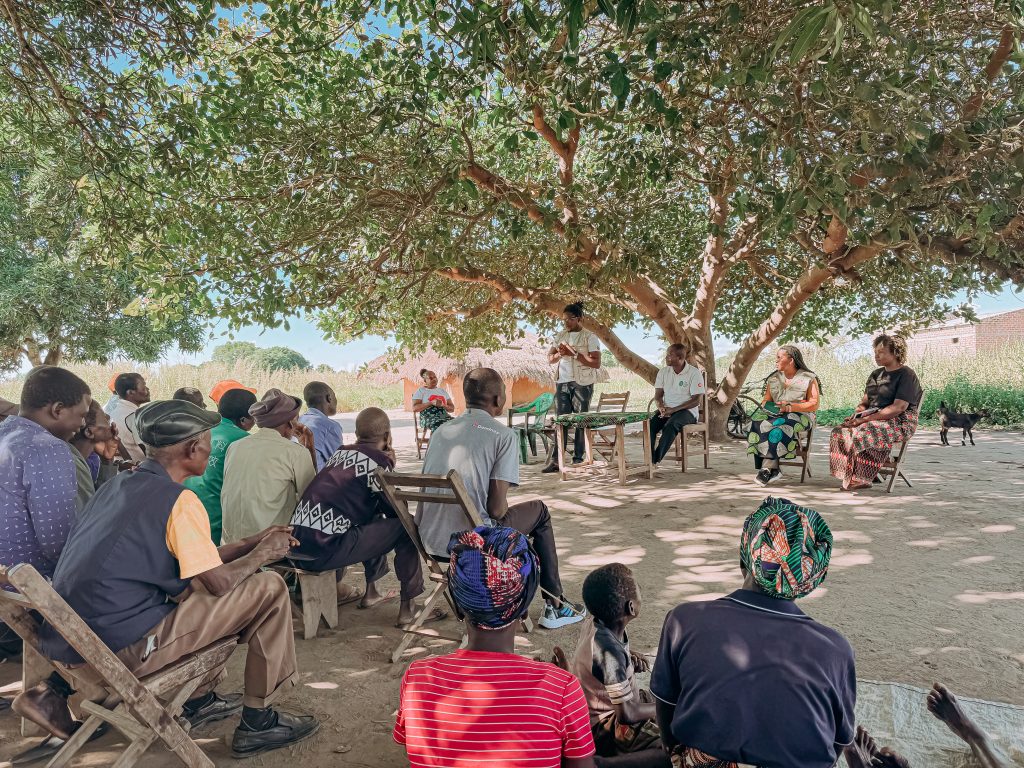
When a woman arrives late to her first Antenatal Care (ANC) consultation, when someone declines to prevent HIV by taking pre-exposure prophylaxis (PrEP), or abandons Antiretroviral Treatment (ART) for HIV, the indicators record poor adherence to health services. These formulations are essential for monitoring the quality of the services provided, but they conceal an essential question that is not always put to the communities themselves: why? It was precisely this question that led C-Saúde, in coordination with the District Services for Health, Women and Social Action (SDSMAS) of Mopeia, to the communities of Dande, Malulo and Marruma, in Zambézia province, between 8 and 12 June. Over five days of community listening, mobilization and awareness-raising activities, more than 230 people — including community members, community and religious leaders, members of the Health Committees, community health workers (APS) and representatives of local institutions — came together to talk about maternal health and the HIV response. What happened in Mopeia reflects a principle widely supported by scientific evidence: listening to communities is not merely a step that precedes intervention. It is, in itself, a form of intervening. Dialogue as a starting point for change Since the Alma-Ata Declaration (1978), the World Health Organization has recognized community involvement as an essential component of primary health care. This principle gained new momentum in 2024, when the Member States of the World Health Assembly adopted Resolution WHA77.2, committing to strengthening social participation and the active involvement of communities in the decisions that affect their health. However, delivering on this global commitment remains a challenge. A recent analysis of 102 health ministries in low- and middle-income countries (Cocoman et al., 2025), including Mozambique, revealed that community participation, where it exists, tends to be concentrated in the planning stages, and is far less frequent in the implementation and monitoring of maternal and newborn health services. Research in communication for social and behavior change points in the same direction. For a long time, many health programs were based (and, in many contexts, continue to be based) on a model of vertical transmission of information: services and specialists hold the knowledge and the decision-making power; communities are left to receive the messages and adopt the recommended behaviors. Decades of research show, however, that information alone is rarely enough to transform behaviors. Change becomes more likely when communication is dialogical: when people have space to express doubts, confront perceptions and social norms, discuss experiences and reach their own conclusions. It is the logic, inspired by the thinking of Paulo Freire, of building health with communities, and not merely for them. In Mopeia, the answers came from the communities themselves That is precisely what happened in Mopeia. The purpose of the sessions held in Dande, Malulo and Marruma was to understand the factors behind indicators that continue to challenge maternal health and the HIV response: women’s late arrival at their first ANC consultation, men’s limited participation in maternal health, refusal of PrEP, and difficulties in adherence to ART, particularly among pregnant and breastfeeding women. And the answers came from the communities themselves. In Marruma, several women explained that the distance between their homes and the health facility weighs on the decision to start ANC late. But, over the course of the dialogue with the health teams, the participants themselves concluded that the benefits of early consultation outweigh the challenges of the journey. Men, in turn, acknowledged that they often do not accompany their partners to these consultations because they do not know the importance of their involvement during pregnancy and the postpartum period. And not only that: social norms that place all responsibility related to pregnancy on women also make men ashamed of being seen in maternal and child health services and of being considered less masculine. The conversations revealed a set of barriers to adherence that are not always visible in the indicators: lack of accurate and persuasive information, social norms that discourage male participation, distance from health services, and a shortage of spaces for dialogue. From dialogue to action More than clarifying doubts, the community meetings created space for the joint construction of solutions. At the end of the sessions, community and religious leaders made concrete commitments: to strengthen awareness-raising for early ANC, encourage male participation in consultations, support the identification and referral of pregnant women to health services, promote adherence to PrEP and ART, and strengthen the link between communities and health facilities. Participants also expressed openness to hosting future Health Counselling and Testing (HCT) activities. The intervention also included a working session with Mentor Mothers, whose role is essential in increasing adherence to antenatal and postnatal services. The work does not end here. C-Saúde and the Mopeia SDSMAS will continue to follow up on the commitments made and to reinforce health promotion activities in the communities covered. The strong participation recorded — most notably in Marruma, which brought together more than a hundred participants — confirms what research has been demonstrating: when there is space for them to participate, communities want to discuss their health, help make sense of the challenges they face, and be part of building the solutions. Perhaps that is the main lesson from Mopeia. The indicators will continue to show who arrives late, who abandons a treatment or who declines a service. But understanding why remains one of the essential conditions for finding effective responses. Because listening to communities is not just gathering information: it is a way of building health together with them. In the health facilities supported by C-Saúde in Mopeia district, at the end of June, 9,109 people were on ART, with a viral suppression rate of 97%. This success story is made possible by the generous support of the United States Government.
Highlights

Against Misinformation, the Response Was Collective: Lessons from Zambézia

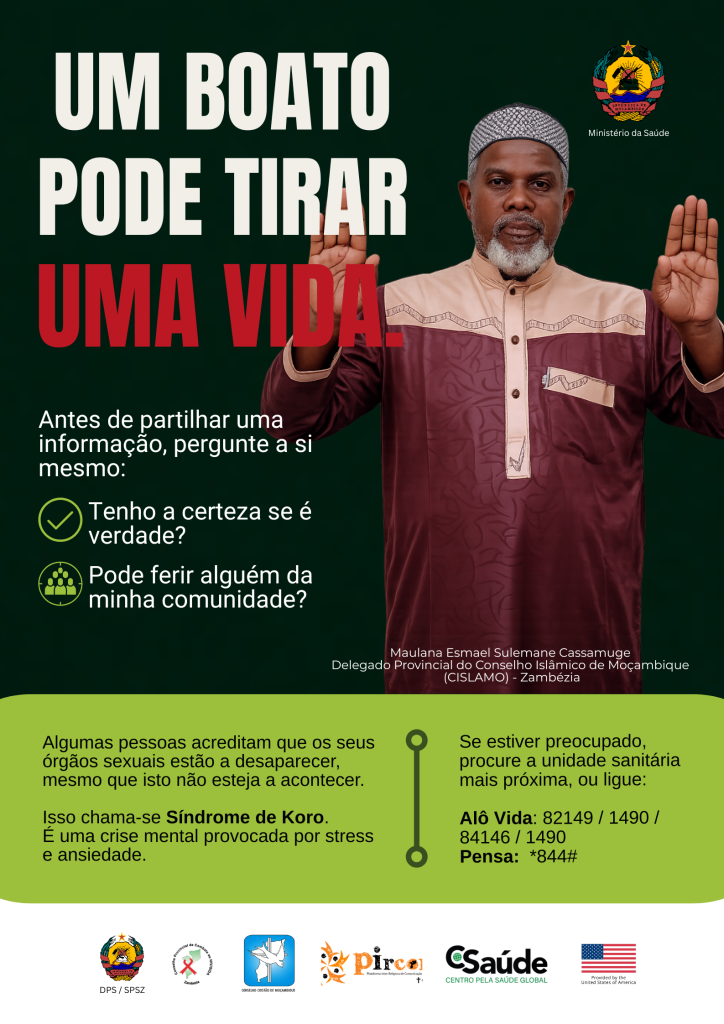
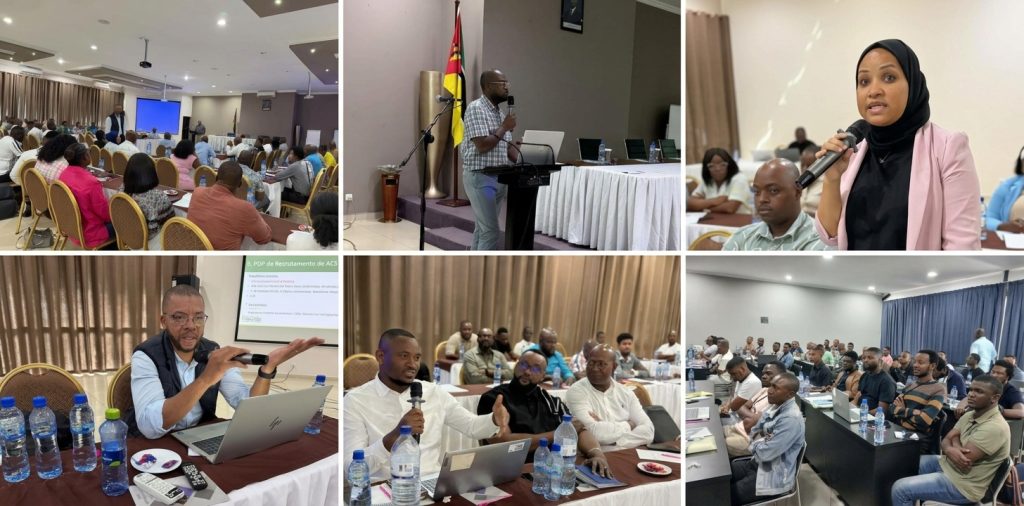
When rumors and fear become more contagious than any disease, the consequences can be fatal. In April and May of 2026, Mozambique experienced this firsthand. Between April and May 2026, at least 40 people lost their lives and more than 70 were injured as a result of violence driven by misinformation, rumors, and collective panic associated with Koro Syndrome, a psychological disorder characterized by an intense and irrational fear that the genitals are shrinking or disappearing. The episodes of violence affected the provinces of Zambézia, Sofala, Manica, Niassa, Nampula, and Cabo Delgado, according to reports in the national and international press. Zambézia was among the most severely affected provinces. Various C-Saúde staff members experienced this violence firsthand: healthcare providers and others connected to the sector were among the groups accused of “stealing” or atrophying the genitals of community members they serve. The consequences were immediate and tangible: some health facilities remained closed for weeks, particularly in the districts of Mocubela, Pebane, and Maganja da Costa, compromising access to essential healthcare. In response to the urgency of the situation, a working group was established under the guidance of the Zambézia Provincial Health Directorate, bringing together the Provincial Health Services, the Provincial Council for Combating HIV and AIDS, C-Saúde, and religious leaders from the province, represented by the Islamic Council of Mozambique (CISLAMO), the Christian Council of Mozambique (CCM), and the Inter-Religious Platform for Health Communication (PIRCOM). Joint strategies to counter the rumors and the violence associated with them resulted in communication materials in which different religious leaders took center stage as the face and voice of the messages. Koro Syndrome is a clinically recognized psychological disorder, triggered by acute stress and anxiety, frequently amplified by rumors, cultural beliefs, and what is known as “social contagion”, the process by which fear spreads among community members as though it were an infection. There are no physiological mechanisms that cause genitals to disappear: what victims feel is real, but its origin is psychological and it is treatable. This was not the first misinformation outbreak with a direct impact on public health in Mozambique, nor even the first this year: in early 2026, communities in Nampula pursued and stoned health activists and workers in the context of a cholera outbreak, accusing them of causing the disease. Before that, similar episodes marked vaccination and treatment campaigns for various diseases across several provinces. The pattern is recurring: misinformation that turns healthcare workers themselves into targets, drives communities away from services, and worsens the very crises it claims to explain. The examples cited point to the urgent need for robust, sustained strategies in health communication, misinformation and rumor management, and community engagement — before the next rumor spreads.  

Highlights

100 workers, one conversation that matters: HIV, choice and prevention at the Port of Maputo

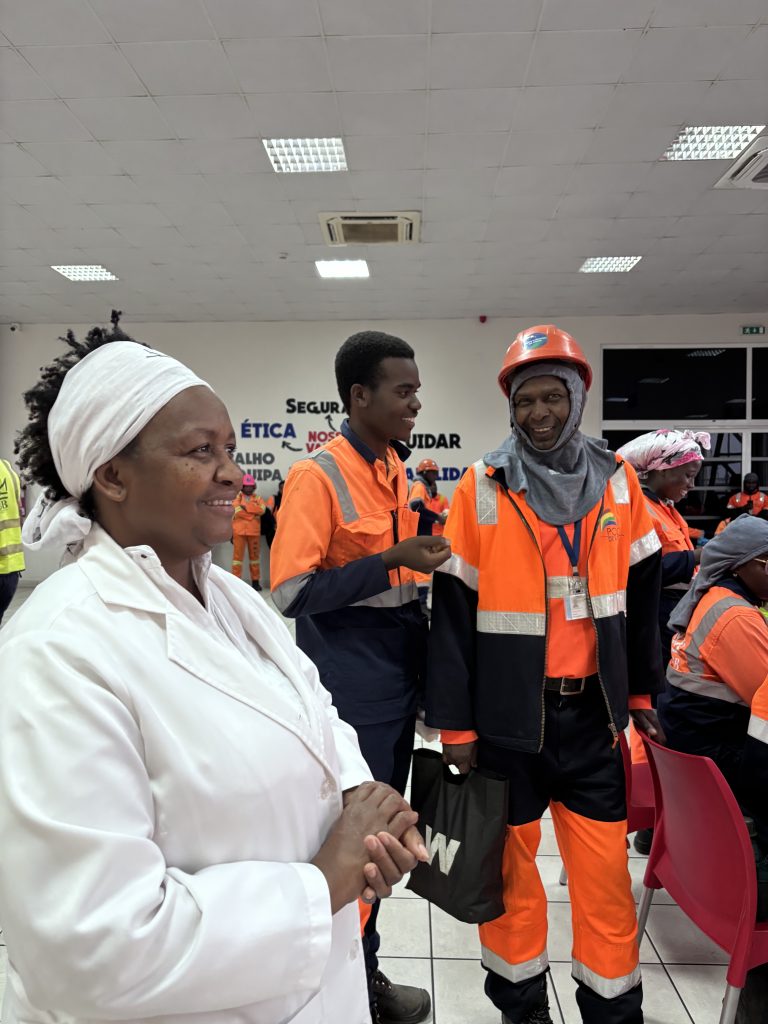
Around 100 operational workers from the Port of Maputo (Maputo Port Development Society – MPDC) took part last Saturday in an open discussion on HIV prevention led by C-Saúde, with a focus on Lenacapavir, a new long-acting injectable prevention option that provides protection against HIV for six months with a single dose. The initiative aimed to answer questions and promote dialogue around the different HIV prevention options available in Mozambique, reinforcing a simple message: when people have access to clear information and a range of alternatives, they are better equipped to choose the method — or combination of methods — that best suits their circumstances and needs. The session was marked by active participation, thoughtful questions and the sharing of experiences, highlighting the importance of bringing high-quality health and prevention information into the workplace. C-Saúde is a partner of Mozambique’s Ministry of Health in the implementation of Lenacapavir in Zambézia Province, where the provision of this prevention method began on 29 April 2026. Beyond Zambézia, through the voluntary efforts of its members, C-Saúde continues to promote this innovative option, which has the potential to make a significant contribution to controlling the HIV epidemic. Mozambique is among a pioneering group of nine African countries that are introducing Lenacapavir this year. Our thanks to the Port of Maputo and to all the employees who took part in this conversation and helped create an open space for learning, reflection and dialogue on HIV prevention. This success story is made possible by the generous support of the United States Government.
Highlights

The School of Medicine at Eduardo Mondlane University and C-Saúde establish strategic partnership

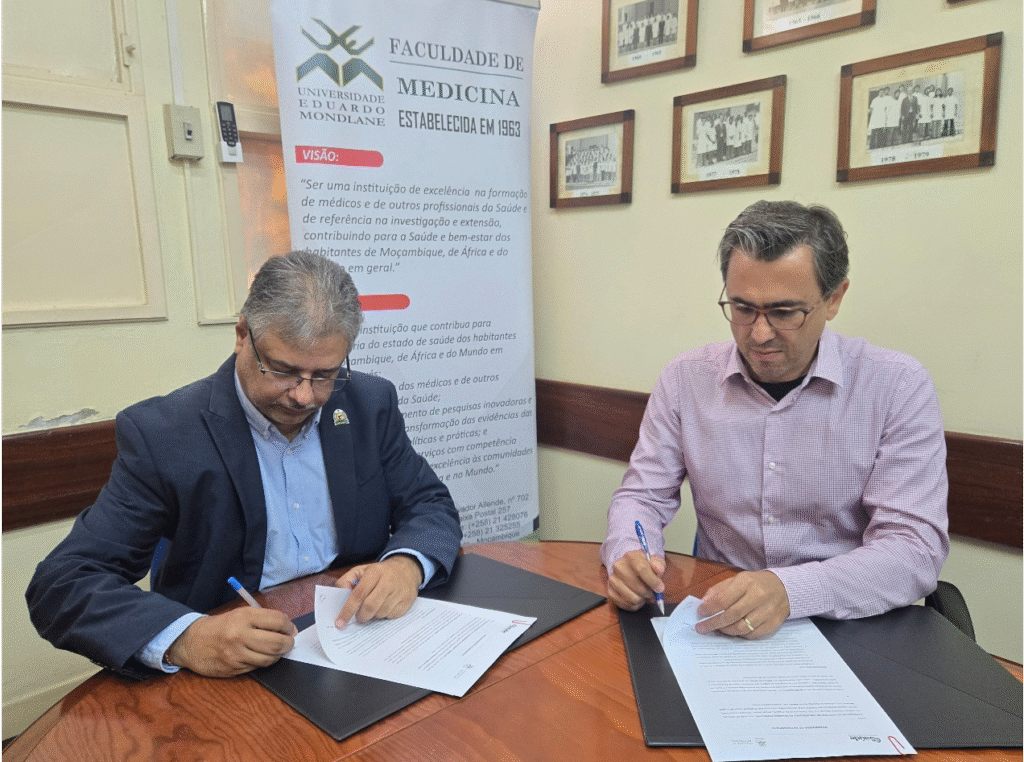
The School of Medicine at Eduardo Mondlane University (FAMED-UEM) and the Centro pela Saúde Global Association (C-Saúde) signed a Memorandum of Understanding (MoU) marking the beginning of a new phase of inter-institutional cooperation aimed at promoting training, scientific research, and strengthening the National Health System (SNS) in Mozambique.The memorandum was signed by Professor Jahit Sacarlal, Director of FAMED-UEM, and Themos Ntasis, Director General of C-Saúde, in a ceremony symbolizing the commitment of both institutions to jointly contribute to the improvement of public health in the country. The agreement establishes priority areas for cooperation, including: Development of joint research, evaluation, and training activities in health and related areas; Promotion of academic and professional exchanges involving teachers, researchers, students, and health professionals; Provision of academic and professional internships for FAMED-UEM students and recent graduates; Production and dissemination of scientific evidence to guide public policies and effective strategies for the National Health System; Promotion of the UEM Master’s Degree in Public Health, expanding opportunities for advanced qualification for professionals in the sector. “We are consolidating FAMED-UEM’s role as a national and regional reference institution in medical training and scientific knowledge production at the service of society,” said Professor Sacarlal. The General Director of C-Saúde, Themos Ntasis, emphasized that “the partnership reaffirms C-Saúde’s commitment to supporting the public sector, contributing to the development of national skills and promoting sustainable solutions to public health challenges in Mozambique.” With an initial duration of five years, renewable, the memorandum opens the way for transformative initiatives based on the principles of ethics, transparency, and scientific rigor. The expected impact goes beyond academia, reflecting on the quality of health services, the development of more effective policies, and the well-being of the Mozambican population. Leaders from FAMED-UEM and C-Saúde, accompanied by their delegations, witness the consolidation of strategic cooperation.

Highlights

C-Saúde strengthens efforts to reintegrate patients in target districts

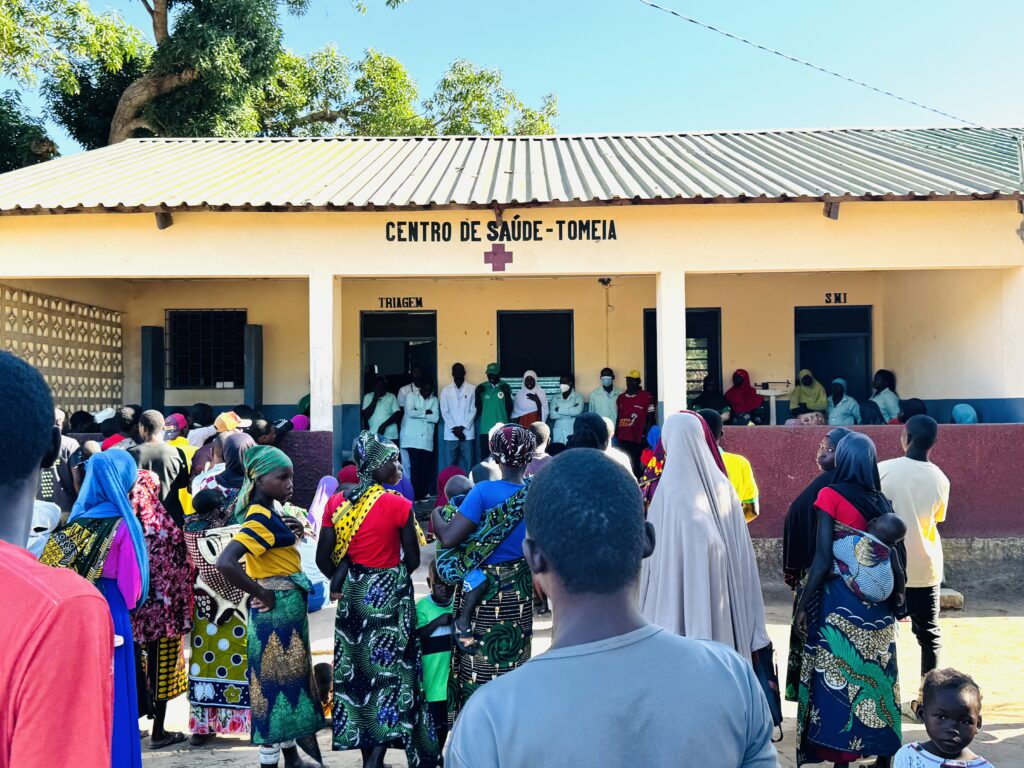
The province of Zambézia is witnessing a coordinated effort to urgently reintegrate antiretroviral therapy (ART) patients who had been lost to follow-up as a result of recent public demonstrations. This initiative is being implemented in the districts of Pebane, Inhassunge, Mocubela, Maganja da Costa, Morrumbala, and Namacurra, through a coordinated effort by C-Saúde and Serviços Distritais de Saúde. Interrupting ART poses a serious risk to patients’ health and to the stability of the gains in the HIV response. When a patient discontinues medication, there is an increase in viral load, a risk of progression to AIDS, greater susceptibility to opportunistic infections such as tuberculosis, and a significant increase in the risk of transmission of the virus. Reintegrating these patients is an urgent priority in order to protect lives and maintain control of the epidemic. The Pebane district has stood out as a model for this response. This June, the Tomeia health unit received a technical and community brigade that carried out intensive activities to mobilize, screen and reintegrate patients on ART, with encouraging results: 161 patients seen 105 patients reintegrated to ART 105 patients screened for tuberculosis 43 tested for HIV, of which 3 were positive – all immediately linked to treatment  Laboratory samples taken The strategy was based on community awareness sessions on the importance of an undetectable viral load and door-to-door visits involving community activists, religious leaders, local structures and health technicians. The success of the action in Pebane demonstrates local collaboration and integrated action between community health and health units. This model is being progressively replicated in the other affected districts, with the same commitment to rescuing all patients who have lost contact with the system. C-Saúde, as a technical support organization of Serviços Distritais de Saúde, reaffirms its commitment to a humanized intervention guided by the right to health, placing communities at the center of the response.

Highlights

C-Saúde strengthens tuberculosis screening in Zambézia

As part of its commitment to supporting public health, C-Saúde is intensifying its efforts in the early identification and screening of tuberculosis (TB) in Zambézia Province. Strategic training sessions were recently held for Health Counseling and Testing (HTC) Counselors and Community Cough Officers. These are key actors in the fight against TB at both the community level and within the health facilities. Tuberculosis remains the leading opportunistic infection among people living with HIV and is one of the leading causes of preventable death in Mozambique. Recognizing this reality, C-Saúde is investing in a practical approach that places communities at the center of the response. Training with Theoretical and Practical ComponentsTheoretical Component: This training covered various topics related to TB, including the causative agent, modes of transmission, clinical symptoms, and procedures for screening and sample collection.Practical Component: Participants received guidance on how to fill out the TB test request form (PNCT-5), the presumptive patient register, and the TB contact tracing logbook. Community-Based ScreeningWith this initiative, C-Saúde is expanding TB screening into the communities through Community Cough Officers, who now play an active role in identifying contacts of TB patients and promptly referring suspected cases to health facilities.This model aims to increase the number of people screened, improve detection quality, and ensure the timely initiation of treatment for those diagnosed with TB. Impact on Public HealthBy ensuring early case detection, this intervention helps to break the chain of TB transmission, protecting families and communities at increased risk of TB infection. It is a vital step toward achieving the goals of the National Tuberculosis Control Program (PNCT) and saving lives.    

Highlights

Hospital Central de Quelimane benefits from advanced disease training with support from C-Saúde

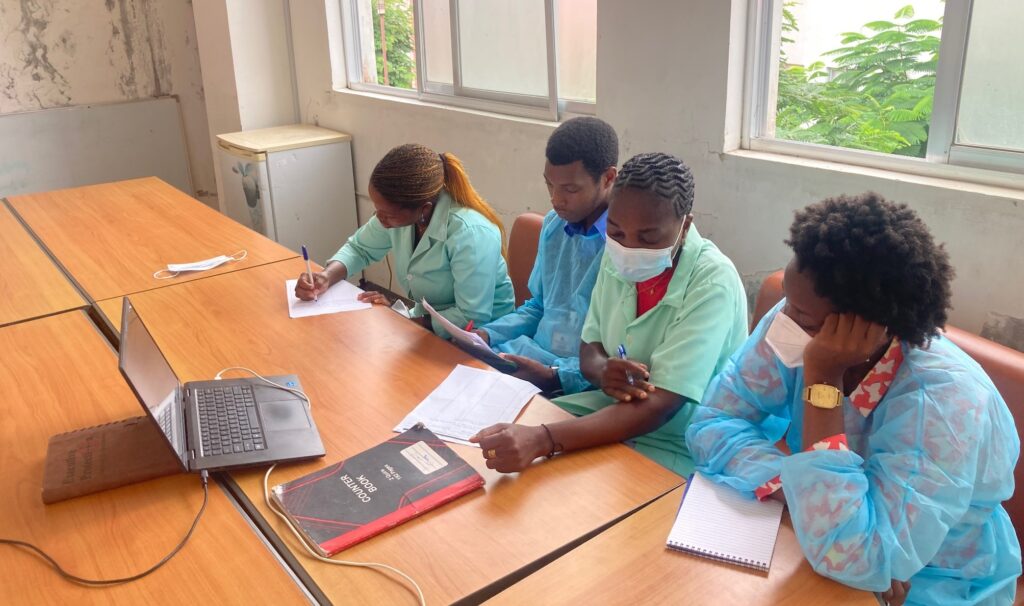
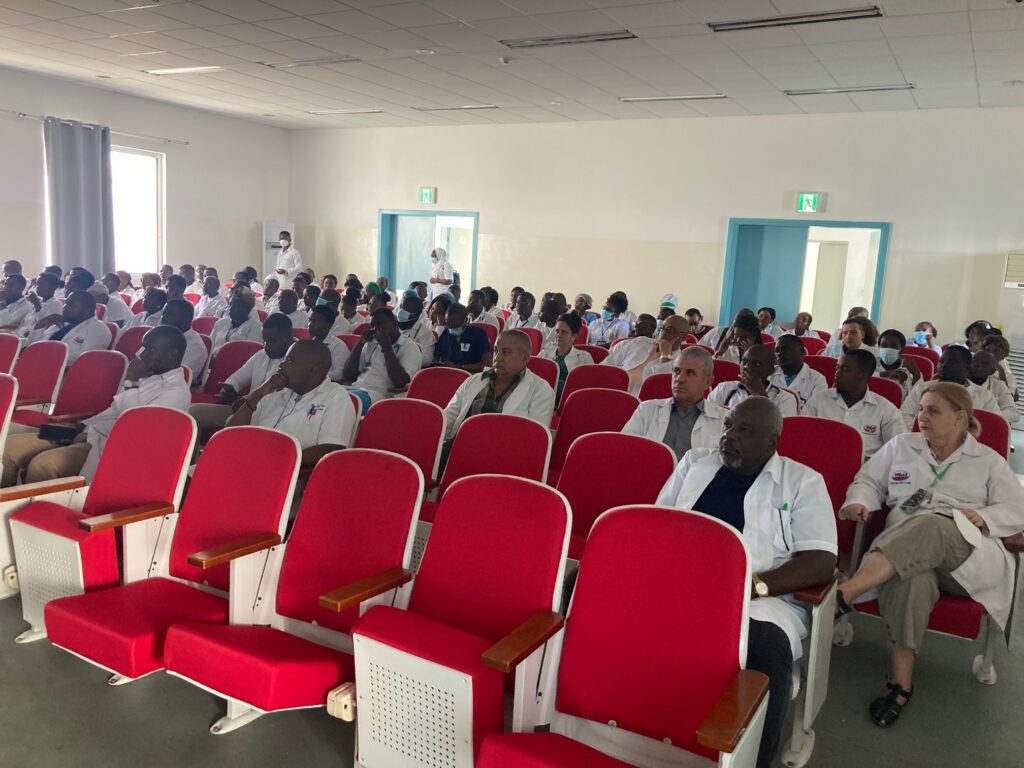
Quelimane Central Hospital, with support from C-Saúde and funding from PEPFAR, conducted an essential training on Advanced HIV Disease. This event not only emphasizes the importance of training healthcare professionals but also highlights C-Saúde’s commitment to supporting HIV care and treatment in Zambézia province. The main objective of the training was to equip doctors, nurses, and medical students with the knowledge needed to provide care for patients with Advanced Disease. This type of illness is characterized by significant progression of HIV infection, resulting in severe complications and compromising the patient’s quality of life. The causes of Advanced Disease may include lack of access to effective treatment, inadequate adherence to antiretroviral treatment, and the presence of other opportunistic infections. The consequences for patients are severe, including increased mortality, deterioration of general health, and the need for more complex medical interventions. The training saw strong participation from 74 professionals from various departments of the hospital, including emergency services and wards. Dr. Maria Madeira, Provincial Supervisor of the HIV Program and responsible for the presentation, began the activities with an introduction to the topic, followed by an interactive discussion that allowed the hospital’s Advanced Disease Focal Points to enrich the debate. The session ended with a Q&A segment where participants were able to clarify specific doubts, such as the interpretation of tuberculosis results (TB-LAM). The feedback received was extremely positive, reflecting the participants’ satisfaction with the level of interaction and the knowledge gained. The training not only provided a new approach to Advanced Disease but also led to an immediate change in clinical practices at the local level. It was decided that the Surgery and Gyneco-Obstetrics Wards, along with their respective emergency services, would begin implementing this new approach, while the areas of Medicine and Pediatrics would continue to improve their performance. C-Saúde, as an organization supporting the Ministry of Health, reaffirms its commitment to the continuous training of healthcare professionals in Zambézia province. New training sessions and follow-up actions are planned to ensure the effective implementation of the new care guidelines. Regular internal evaluations will be conducted to monitor progress and ensure that the knowledge gained is applied in the daily practice of the hospital. Furthermore, the plan to extend the training to other health facilities is already underway, including a similar session at Hospital Geral de Quelimane. C-Saúde continues to work hard to improve the quality of care for patients, demonstrating that training and capacity building are fundamental pillars for strengthening the health system in Zambezia province and, consequently, for the fight against HIV and its complications.   Doctors from different specialties at the session in Quelimane

Highlights

C-Saúde advances with new system release: Innovation and technological compliance

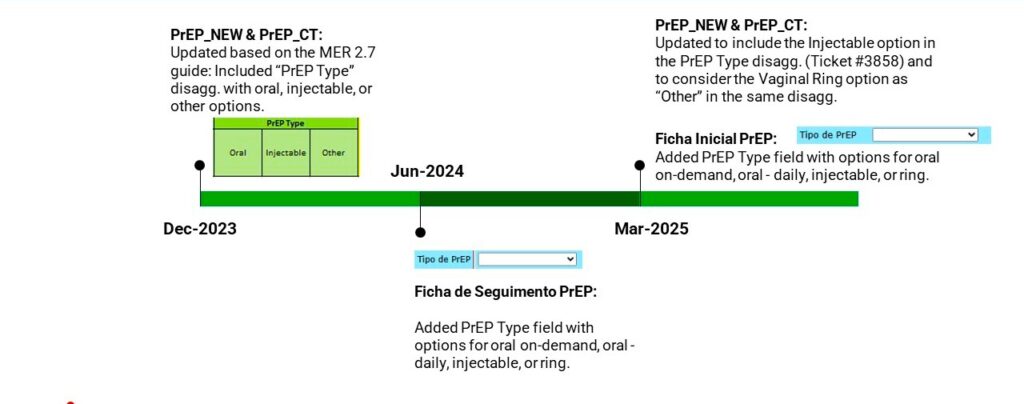
C-Saúde has launched a new version of its health service management and operation systems. This update not only enhances functionalities and corrects inconsistencies identified by users but also ensures that the platforms align with the latest technological trends and regulatory requirements, thereby guaranteeing greater efficiency, security, and innovation. Objective of the Update The new release focuses on the modernization and continuous improvement of C-Saúde’s systems. The main enhancements include: Addition of new functionalities, ensuring greater efficiency and an improved user experience. Correction of reported errors, optimizing platform performance. Technological alignment, keeping pace with industry innovations and meeting key regulatory requirements. Key Updates Among the latest improvements, the following stand out: Compliance with U.S. Government Executive Order 14168, reinforcing digital security and governance standards. Implementation of disk encryption processes on healthcare unit servers, enhancing data protection. Upgrade of the SESP Platform from version 2.3.3 to 2.6.11, ensuring greater stability and new operational features. Impact and BenefitsThese advancements positively impact C-Saúde end users and relevant institutions by providing more agile, secure, and adaptable systems that better meet their needs. As a result, user experience improves, and the monitoring of programs and operations is optimized. Challenges and ImplementationThe implementation of this update faced significant challenges, particularly due to a temporary two-week operational interruption. This situation required adjustments to the initial plan, adapting development strategies to ensure timely delivery. The methodology applied relied on collaborative meetings for requirement gathering, a process affected by the operational pause but set to be reinforced in upcoming updates. Future UpdatesC-Saúde remains committed to continuous innovation and has already scheduled the next update for June 20, 2025. The objective is to keep enhancing the systems to meet the evolving demands of users and technological advancements in the sector. With this release, C-Saúde advances in its mission to deliver efficient, and secure digital solutions. What does this mean for PrEP_NEW & PrEP_CT reporting

Highlights

In honor of March 28th, Doctor’s Day: The journey of Dr. Narciso Margarido Valoi in the fight against HIV/AIDS in Zambézia province

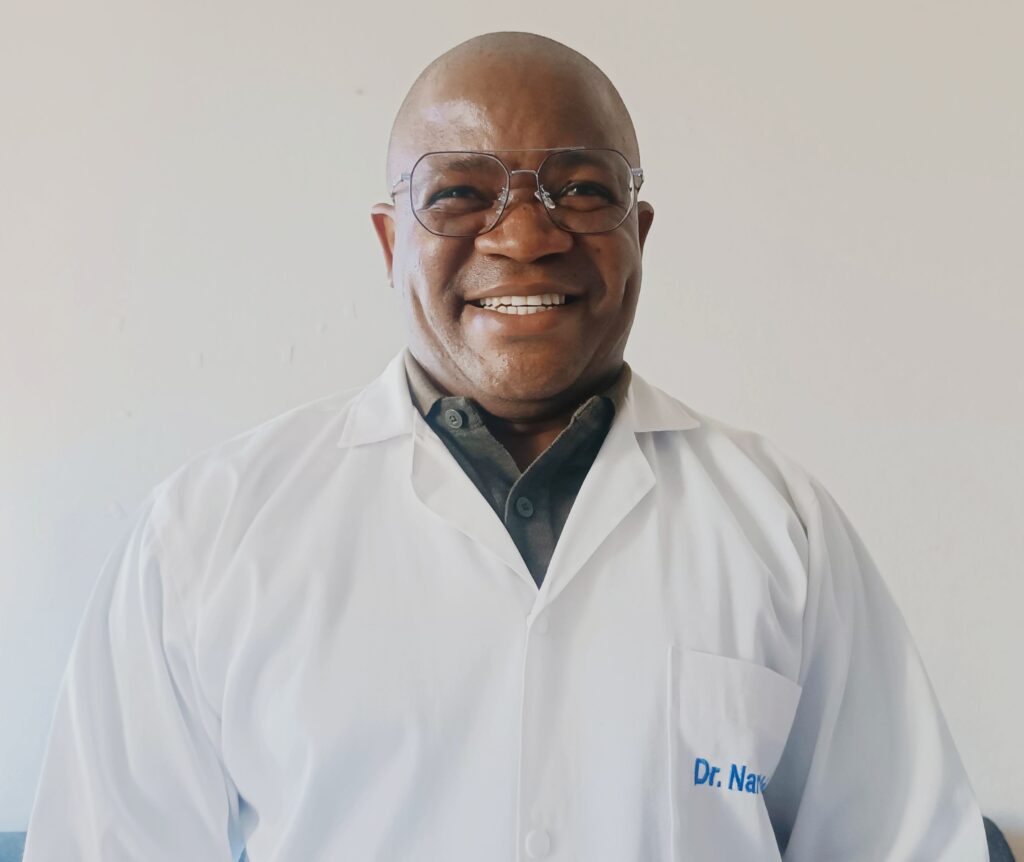
A look into his history Dr. Valoi’s career began with his academic training, which was consolidated in 2007, followed by extensive experience in public health, especially in HIV/AIDS. Currently serving as the Provincial Prevention Manager for the Avante Zambézia Project, he leads a coordinated effort to reduce HIV transmission and improve the quality of life for those affected by the disease. His responsibilities include implementing prevention strategies such as counseling and testing, offering PrEP, screening high-risk populations, and guiding multidisciplinary teams. His efforts extend beyond healthcare facilities: Dr. Valoi has successfully coordinated information campaigns in remote communities, tackling barriers such as negative social perceptions and fear associated with HIV. His journey also includes working with populations at increased risk of HIV infection, such as victims of violence, where he has always stood out for his empathy and welcoming approach. The role of a doctor in prevention strategy Dr. Valoi states that his work at C-Saúde is deeply aligned with the organization’s mission: to support the Mozambican government in controlling the HIV epidemic. His role is not limited to program management but also involves continuous training of healthcare teams and the implementation of new strategies to expand the reach of prevention and treatment services. As an organization supporting MISAU, C-Saúde has played a crucial role in implementing national guidelines, resulting in significant progress such as expanded testing, improved adherence to treatment, and reduced negative social perceptions. Dr. Valoi explains that coordination among relevant actors has been essential in strengthening the prevention network, leading to reduced HIV transmission, higher patient retention in treatment, and better viral load coverage. Humanizing care: A patient-centered approach In his practice, Dr. Valoi adopts a patient-centered approach that goes beyond mere medication. He emphasizes that each patient should be treated uniquely, considering not only their clinical needs but also their emotional and social well-being. By integrating psychosocial counseling, support groups, and individualized follow-up, Dr. Valoi has witnessed significant changes in the lives of many patients. Patients who initially feared diagnosis have now become active in promoting HIV treatment and prevention in their communities. One of the most impactful cases in Dr. Valoi’s career was that of a young mother who, after receiving a positive diagnosis, was on the verge of abandoning treatment. However, with emotional support, education about the disease, and a strengthened social support network, she not only remained in treatment but also became a peer educator, helping other women live with HIV. Challenges and opportunities: the daily struggle Like any public health endeavor, challenges are constant. Dr. Valoi highlights that dealing with negative social perceptions, disclosure of diagnosis, and treatment adherence are among the most common obstacles patients face. Additionally, integrating youth, especially adolescents in risky situations, remains a challenge, as many encounter resistance from sexual partners and family members. To overcome these obstacles, education and community engagement have been key elements. Dr. Valoi invests in information campaigns, training community and religious leaders, and leveraging local influencers to shift mindsets. “HIV does not define anyone. With treatment, it is possible to live a quality life,” he asserts, emphasizing that prevention is the most effective way to combat the epidemic. The impact of his work: Visible results in the community Reflecting on the outcomes of his work, Dr. Valoi highlights that Zambézia Province has made significant progress in HIV prevention and treatment. Increased testing, greater demand for prevention methods like PrEP, and adherence to ART are clear indicators of success. The reduction in AIDS cases and the improved quality of life for people living with HIV are sources of great pride for him. “Seeing these results, I realize that I am part of a story where people are helping control the epidemic, and it is an honor to be part of this story,” concludes Dr. Valoi. Towards a better future Dr. Valoi has an optimistic vision for the future of HIV treatment in Zambézia. He believes that with the broadening of PrEPé reach, increased demand for self-testing, and ongoing community information, epidemic control will be even more effective. His wish is for more men, community leaders, and religious figures to actively involve themselves in prevention efforts, fostering a profound transformation in society. Balance and purpose: Life beyond work Despite the emotional toll of his work, Dr. Valoi finds balance in his personal life. He shares his love for animals, plants, and reading activities that help him recharge and maintain his mental health. He emphasizes that the fulfillment of knowing he is fulfilling his purpose as a doctor and human being keeps him motivated to continue his mission.    

Highlights

Thomas’s fight: A story of overcoming and hope in the battle against tuberculosis

On March 24th, World Tuberculosis Day, we celebrate not only increased understanding of this disease of this disease but also the stories of resilience that inspire us. Today, we share the story of Thomas Bonnet, Operations Efficiency Director at C-Saúde, who faced tuberculosis and became an example of resilience and hope. Thomas Bonnet, Operations Efficiency Director at C-Saúde Contextualization of the Story Thomas Bonnet is a well-known name at C-Saúde. Having started his career in 2006, he has been a driving force within the organization, contributing to its growth. Before his diagnosis, Thomas lived a normal life, without any concern for tuberculosis, believing that the disease was something distant, reserved for individuals with compromised immunity. Discovery and Diagnosis Thomas’s life changed in 2015 when he began to exhibit symptoms that initially seemed harmless. During a dinner with friends, a persistent cough caught the attention of a physician friend, who encouraged him to seek medical help. Following screening, the diagnosis of tuberculosis was confirmed. “It was a hard blow,” recalls Thomas. “Even though I worked in the healthcare field, I wasn’t well-informed about TB, and the treatment seemed long and daunting.” Support and Challenges Support from family and friends was crucial during this time. Once treatment commenced, Thomas faced significant challenges, including unfair treatment in the workplace and the necessity to isolate himself to avoid transmitting the disease to colleagues. “I experienced a lot of discrimination, but I learned the importance of adhering strictly to the treatment,” he says. Participating in information events about tuberculosis helped transform his experience into an opportunity for learning and empathy. Treatment and Overcoming Obstacles The treatment was intense and demanding, but Thomas never considered giving up. “Advised by healthcare-provider friends, I realized that giving up could have serious consequences,” he asserts. With the support of a psychologist and a determination to return to his routine, he managed to overcome both physical and emotional challenges. “The treatment brought rapid improvements and allowed me to return to practicing sports.” Reflections and Lessons LearnedFor Thomas, it was an experience that allowed him to realize that “discrimination has more painful impacts than the disease,” he reflects. He learned the importance of seeking help at the healthcare facility and maintaining a healthy lifestyle. Message of HopeFor those facing tuberculosis, Thomas advises them to take their medication and not to give up. “It is important to believe in medicine and to be cautious with traditional treatments.” He emphasizes that a lack of information can lead to serious consequences, especially in our country, where tuberculosis remains a challenge. Importance of World Tuberculosis DayThomas believes that World Tuberculosis Day is a vital opportunity to inform the public about the disease. “It is a moment to share experiences and combat address negative social perceptions,” he concludes. “We can all be affected, and together we can win this fight.”  

Scroll to Top