C-Saúde

Highlights

Highlights

C-Saúde and Zambézia Provincial Health Directorate promote cervical cancer screening campaigns

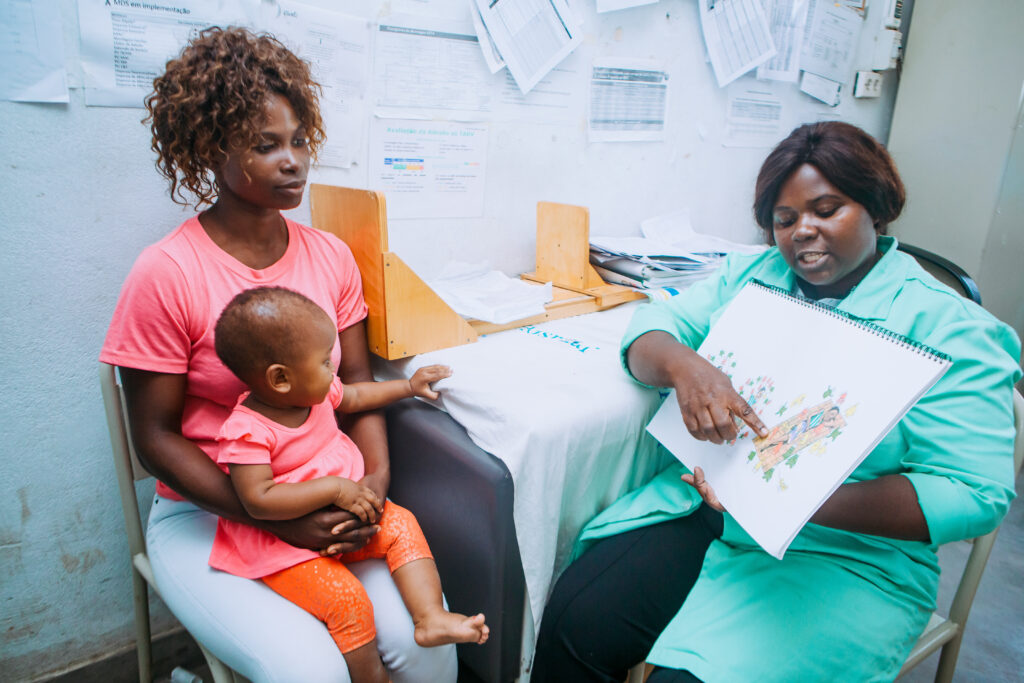
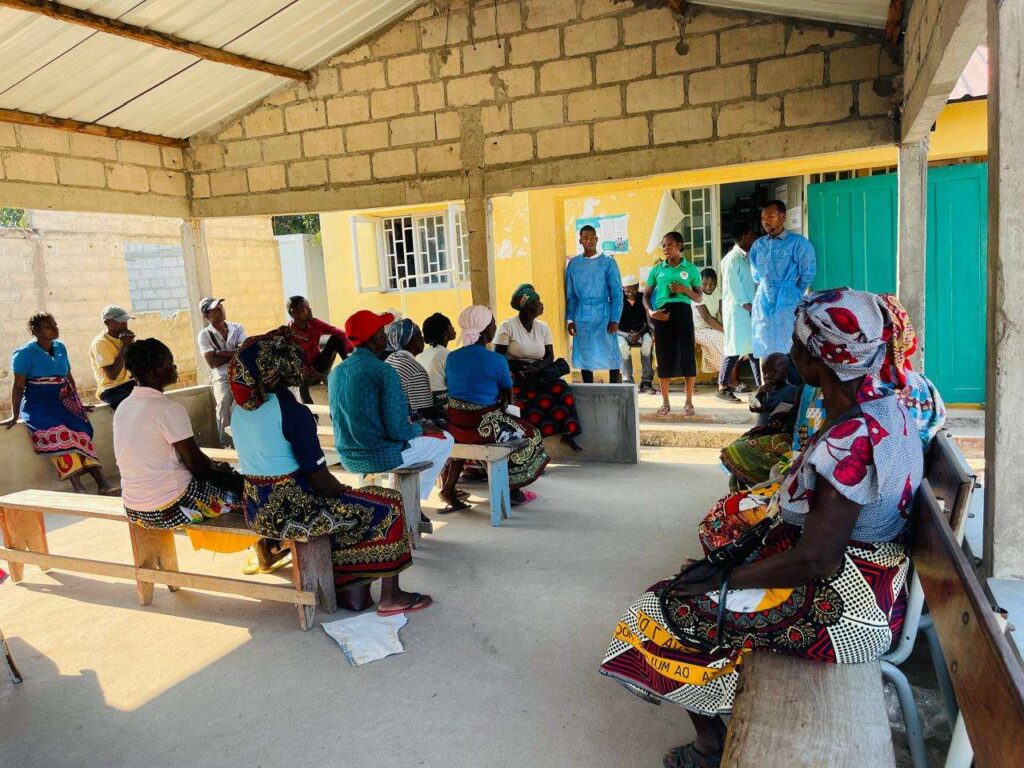
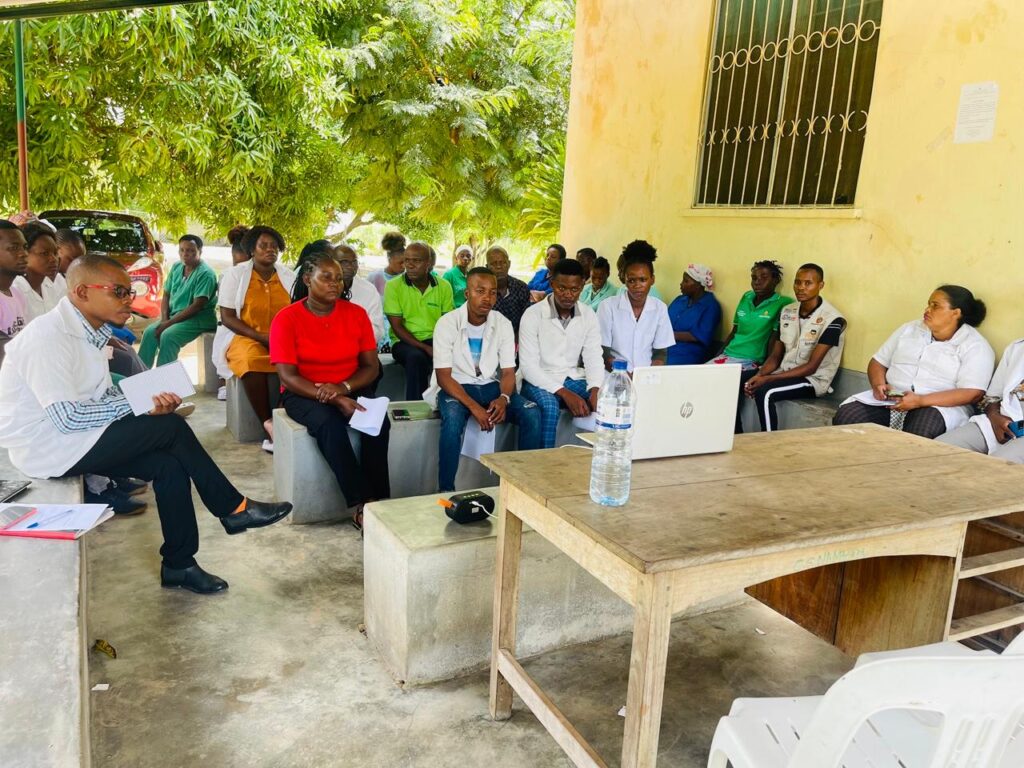
In Zambézia, one of the provinces in Mozambique with high incidence rates of cervical cancer, C-Saúde promotes screening campaigns targeted at women aged 25 to 64. With the mission of reducing mortality rates and promoting early detection of the disease, this initiative not only emphasizes the importance of preventive care but also aims to raise public understanding about the severity of this condition. The campaign extends across various locations in the districts of Nicoadala and Derre and includes the provision of free examinations, educational lectures, and training for local health agents. Our objective is to support women in taking an active role in their health and understand the risks associated with cervical cancer. Early screening is essential for effective diagnosis, significantly increasing the chances of treatment and cure. The significance of this campaign becomes even more evident when considering that, according to estimates, approximately 80% of Mozambican women do not have access to regular examinations. Furthermore, the lack of information about the disease contributes to high mortality rates. Particularly among HIV-positive women, cervical cancer screening is crucial, as this population is at an increased risk of developing early lesions. Early diagnosis can reduce mortality rates and improve the quality of life for these women, who often face multiple risk factors related to health and access to services. To reach women, C-Saúde works with communities and local leaders, schools, and community and religious organizations to disseminate information regarding the importance of screening. Prevention is key; we aim to change the narrative surrounding cervical cancer in our communities. The initiative involves the participation of clinical and community health providers who directly implement the campaign. Informational sessions regarding the importance of HPV vaccination, a primary contributor to the development of cervical cancer, are also organized. This cervical cancer screening campaign represents renewed hope for many women who face the fear of this silent disease. By focusing on regular screening, especially for HIV-positive women, C-Saúde not only promotes health but also commits to strengthening prevention and early detection as fundamental aspects of the fight for life. In the image, a Community Health Officer from C-Saúde is giving a lecture emphasizing the importance of early screening for cervical cancer for the women in the local headquarters, in the Nerir neighborhood, in Nicoadala district.    

Highlights

C-Saúde donates bicycles to community health workers in Nicoadala sede

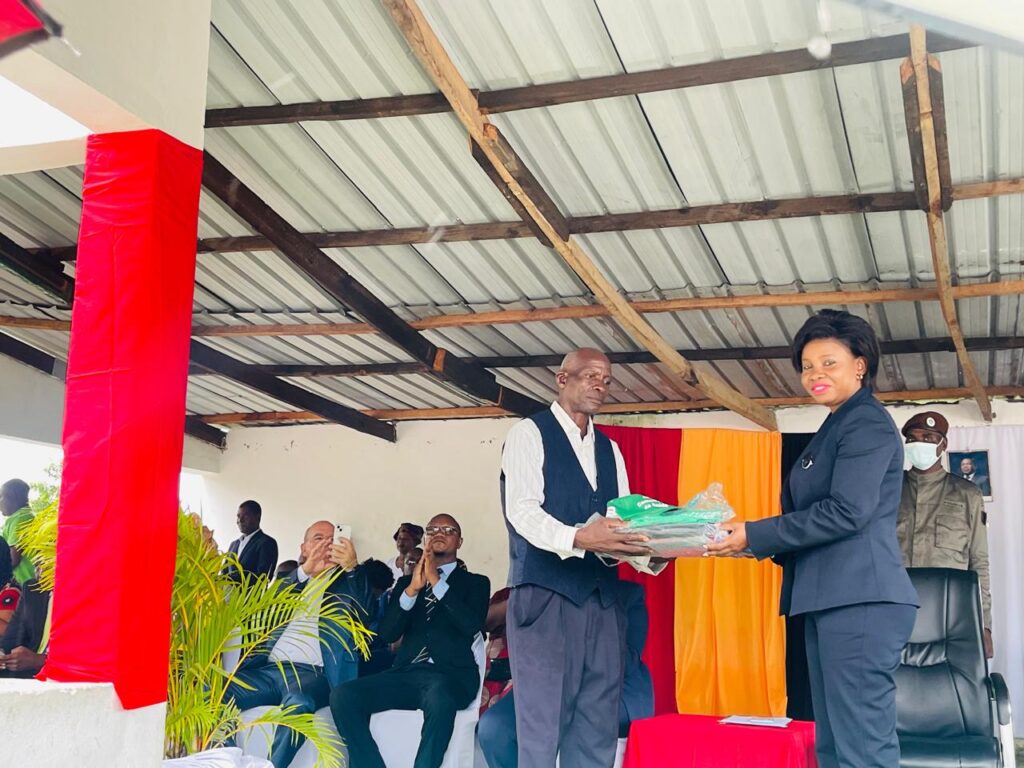
The promotion of health and well-being in rural communities faces constant challenges, particularly in regions where access to basic services is limited. In Nicoadala Sede, C-Saúde, with funding from PEPFAR, undertook a significant gesture by donating bicycles to community health workers, facilitating not only the mobility of these volunteers but also fostering a more proactive approach in the fight for the health of the population. Nicoadala is a district distinguished by its cultural diversity, yet it simultaneously grapples with challenges in its infrastructure. Access to health units, education, and other essential services is often compromised by a lack of adequate transportation. In this context, community health workers play a crucial role, acting as intermediaries between the population and health institutions. The donation of bicycles by C-Saúde represents a practical solution to address these challenges. On this occasion, the workers also received kits containing backpacks, notebooks, and other work materials. The delivery ceremony was attended by community leaders, representatives from local authorities, community members, and the direct beneficiaries. Access to these means of transportation promises to enhance knowledge about diseases such as HIV and tuberculosis while facilitating the distribution of essential health services. For local authorities, community health workers are a vital link between the community and health services. Thus, the bicycle donation will not only benefit the workers but will also indirectly benefit the entire community served. C-Saúde’s initiative in Nicoadala Sede underscores the importance of coordination in promoting health within communities. It is anticipated that this action will not only improve the mobility of the workers but also strengthen community ties and contribute to a more effective and accessible public health system for all.  

Highlights

C-Saúde supports training of health professionals in human rights issues

On the last Monday, September 16th, the professionals of Nicoadala health facility in Zambézia province, participated in an important training session focused on patient rights and ethical care with the aim of fostering humanized care. The event aimed to equip staff with the skills necessary to provide healthcare services that prioritize the dignity, empathy, and respect for the needs of patients. The training was conducted by certified health professionals and included the participation of receptionists, nurses, nursing technicians, and other staff from the unit. During the training, topics such as the importance of clear communication, active listening, and family involvement in the care process were addressed. The goal of C-Saúde is to contribute to the improvement of patient care by promoting a more welcoming and respectful environment. We believe that humanized care is essential for the recovery and well-being of patients. Participants also had the opportunity to discuss practical cases and share experiences, creating a space for shared learning and knowledge exchange. Additionally, interactive activities were proposed to develop the emotional and behavioral skills necessary for more humane care. This initiative is part of a strategy by the Ministry of Health (MISAU) aimed at enhancing the quality of care in health services and reflects the commitment of the Nicoadala health facility to ensure excellence in service to the community. We expect that, with the implementation of the lessons learned during the training, professionals will be able to forge stronger bonds with patients, ensuring a more positive and effective experience during their interactions with users. The training was funded by PEPFAR and implemented by C-Saúde as a crucial step in transforming the local healthcare system, emphasizing the importance of placing the human being at the center of care. Through actions like this, the Nicoadala health facility reaffirms its commitment to promoting health and dignity for all patients. The training involved 45 professionals linked to the Nicoadala Health Center, located in the headquarters. Training is also being implemented for professionals from other healthcare units in the district, including Derre.

Highlights

Psychosocial support in focus: C-Saúde’s work on the HIV programme in Nicoadala and Derre districts

In Nicoadala and Derre, C-Saúde has intensified its actions in collaboration with the Direcção Provincial de Saúde (DPS), with the aim of offering comprehensive support to people living with HIV. Realizing that the experience of being a person living with HIV goes beyond physical and clinical issues, the Ministry of Health’s psychosocial approach seeks to address the various dimensions that permeate the lives of people living with HIV, providing essential emotional support. Feelings of fear, anxiety and depression are common among people living with HIV, often intensified by negative social perceptions still present in society. The psychosocial counselling promoted by MISAU and implemented by C-Saúde aims to create a safe environment where trained professionals work to improve understanding of the condition, helping patients to develop skills that enable them to face social barriers and unfair treatment often associated with the diagnosis. As of August, this year, in Nicoadala and Derre, there were 30,693 patients on antiretroviral treatment, of which 864 are adolescents and young people aged 15 to 24, and 1.369 children aged 0 to 14. One of the pillars of the programme is the promotion of adherence to antiretroviral treatment, and emotional support is fundamental for these patients to face the barriers that can make adherence difficult. Psychosocial support therefore acts as a driving force, encouraging healthy practices and promoting a care routine that respects patients’ emotional needs. Interpersonal relationships are also profoundly affected by an HIV diagnosis. In this context, C-Saúde plays a vital role in facilitating communication and promoting diagnostic disclosure among family members, carers and spouses/partners. This support is essential for building an environment of better understanding of the disease and the treatment process as well as welcoming, allowing patients, through support groups, to feel comfortable sharing their experiences. In addition, sense of self and self-esteem are often impacted by an HIV diagnosis. By promoting support groups, C-Saúde offers a safe space for patients to reconnect with their sense of self and strengthen their self-image. The aim is to help each patient see beyond the diagnosis, rediscovering their individual value. The mental health professionals supported by C-Saúde are dedicated to ensuring that patients have access to appropriate care and support groups, ensuring that their health needs are met. Education is another fundamental component of this process; psychosocial support involves promoting information and clarifying doubts about HIV, helping to demystify the disease and encouraging safe health practices. Mental health, intrinsically linked to physical health, cannot be neglected. Psychosocial support includes constant care for patients’ mental health, addressing issues such as anxiety, depression, and stress-related disorders. In summary, C-Saúde’s work in Zambézia demonstrates that psychosocial support is not only a necessity but a crucial strategy for improving the quality of life and retaining individuals living with HIV.  

Highlights

Transition from Friends in Global Health (FGH) to Centro Pela Saúde Global (C-Saúde)

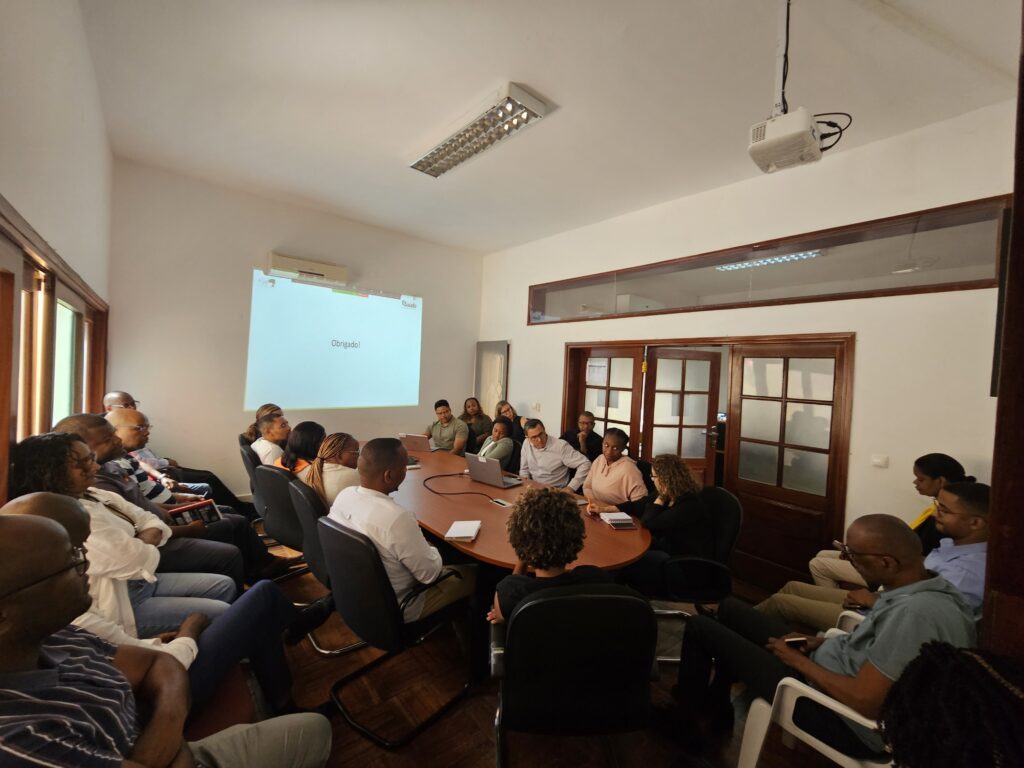
As of 1 October 2024, Friends in Global Health (FGH) will complete its transition to Associação Centro Pela Saúde Global (C-Saúde), a Mozambican non-profit organisation created in 2021. This transition process represents a significant change in the way public health programmes are developed and implemented in Mozambique. C-Saúde’s mission is to support the Government of the Republic of Mozambique, its partners and civil society in designing and implementing evidence-based public health programmes. C-Saúde will play a crucial role in strengthening the National Health System, acting in various areas such as medical care, laboratories, pharmacies, health information systems, human resources management, community health, health communication, strategic information and carrying out evaluations and research. These actions aim to create effective programmes and enrich knowledge in the area of public health. The transition process from FGH to C-Saúde began in May 2023, with the signing of a sub-agreement that transferred all the central support that FGH provided to health information systems under the support of the President’s Emergency Plan for AIDS Relief (PEPFAR) in Mozambique. In October 2023, this transition expanded to technical and clinical support activities in the districts of Nicoadala and Derre in Zambezia province. Currently, at central, provincial and district level, the FGH management is holding meetings with all the organization’s employees to provide detailed information about this transition process. The purpose of the meetings is to clarify doubts and explain the implications and opportunities that will arise in this new phase. The participation of all employees is crucial for the continuation of a collaborative and transparent working environment during this period of change. With the finalization of the transition, the entire human resources team that was previously under the responsibility of the FGH will be integrated into C-Saúde. The technical supervision of the district team will continue to be carried out by C-Saúde’s provincial and central team, which remains accountable to the donors for the implementation of the project. It is important to note that this transition is part of a wider effort to transfer the implementation of HIV epidemic control programmes in Mozambique from international non-governmental organizations to local entities. This change represents an important step towards the autonomy and empowerment of local organizations to lead health initiatives in their own territory. As Mozambique moves towards building a stronger and more resilient health system, C-Saúde is emerging as a local force determined to lead the fight against epidemic diseases and strengthen public health in general.

Highlights

Promoting essential health care in communities of Nicoadala: Qualy Campaign

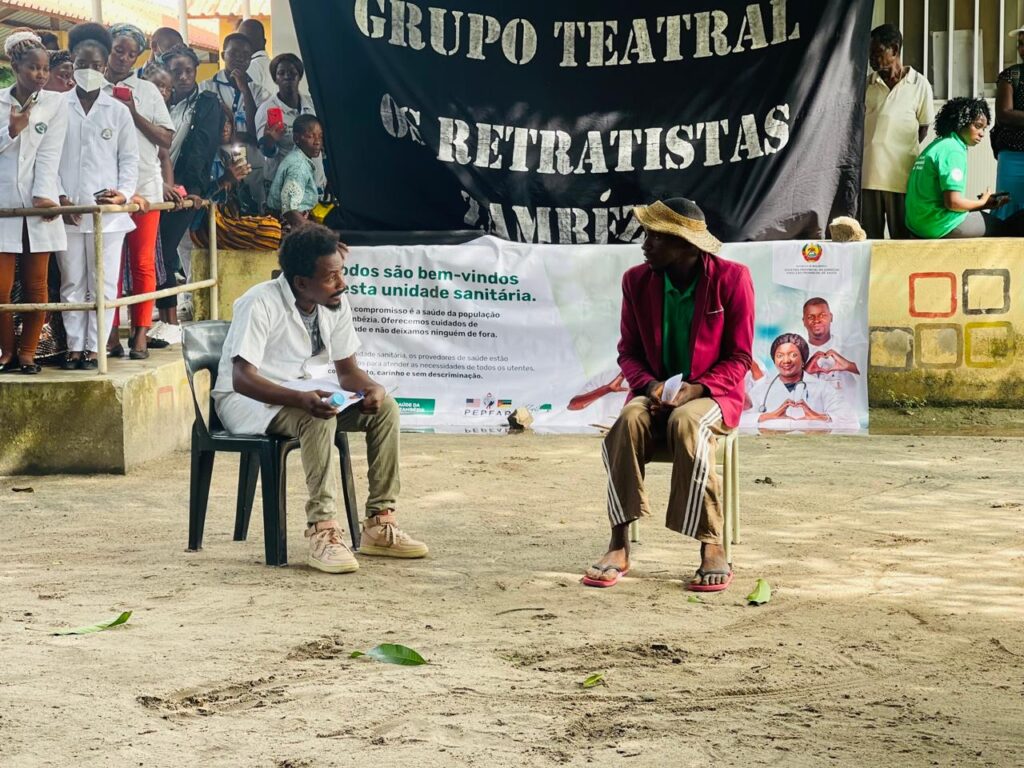
In Nicoadala District, with support from the Provincial Health Department (DPS), C-Saúde has implemented various strategies to improve the quality of health services. In line with local socio-economic characteristics, C-Saúde has contributed to the provision of health care in a timely manner, in accordance with the needs and expectations of patients, as guided by the Ministry of Health in its policy on Quality and Humanisation of Health Service Provision. The main aim of the initiative is to guarantee wider access to healthcare for the entire community. As well as increasing the supply of health services, the initiative seeks to raise the quality of care provided, helping to overcome the low culture of care in health units and increasing the number of people tested and who know their serological status. Through the Qualy campaign, C-Saúde is reaffirming its commitment to promoting health as a fundamental right for all and is seeking to strengthen the population’s trust in the health services it offers. With this, it contributes to achieving the HIV response targets set by the MoH, which aim to eliminate the HIV/AIDS epidemic in the country as a public health problem by 2030. During the Qualy campaign, health fairs are held in the neighbourhoods and localities adjacent to the health units supported by C-Saúde in the Nicoadala district. Various health services are made available, such as tuberculosis screening Through the Retratistas group, theatre plays are disseminated to educate the community about health careIn addition, community dialogue sessions, radio programmes and spots, theatre plays and training for community and religious leaders are carried out to increase knowledge about health and their capacity to articulate health needs with health committees and services. The Qualy campaign demonstrates a significant commitment to health promotion and community well-being in the Nicoadala district.    

Scroll to Top