Nearly 3,500 people started taking lenacapavir in the province of Zambézia during the first three months of the method’s introduction.

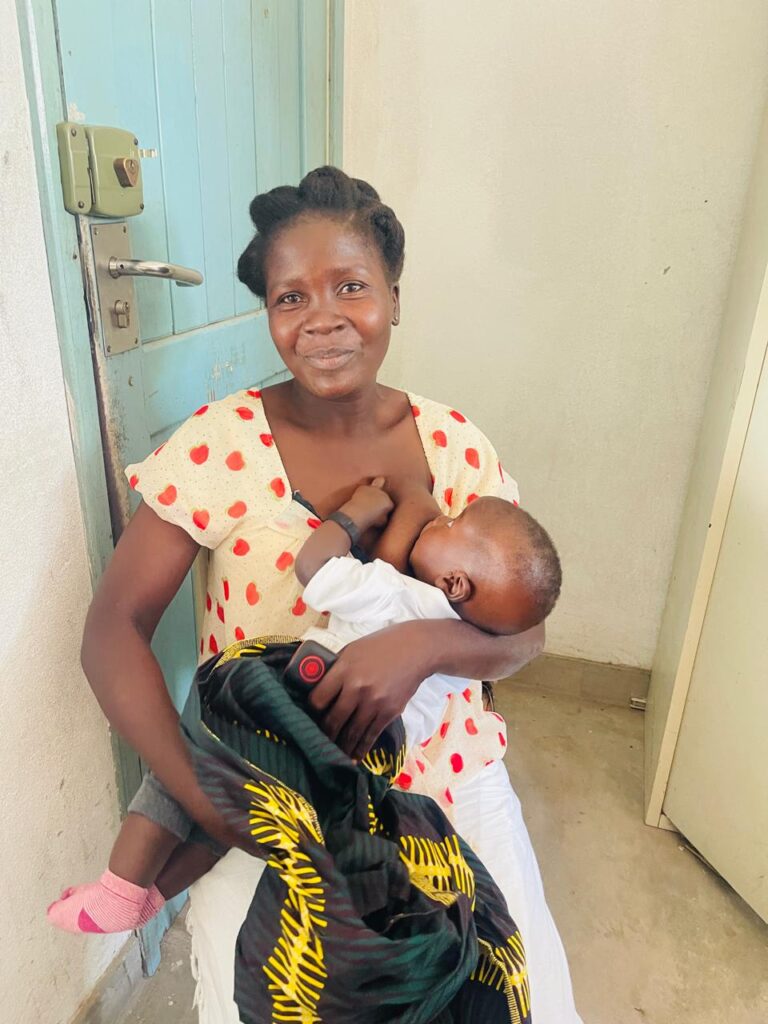
For nearly two years, Isa António, 33, used oral HIV Pre-Exposure Prophylaxis (PrEP) to prevent HIV infection. She knew the importance of prevention, but maintaining a daily routine was not always easy.
As the head of a five-person household, including a two-year-old son, Isa belongs to a population group at higher risk of HIV exposure. It was through C-Saúde community actors and a television campaign that she first heard about lenacapavir. Curious about an alternative that eliminated the daily intake of pills, she sought more information at the Chabeco Health Centre in Quelimane.
Today, she is part of the first group of people in Zambézia to benefit from this new form of long-acting injectable PrEP:
“Now I don’t need to carry pills around or think about it every day. I receive the injection and move on with my life, knowing that I am protected.”
For Isa, the change means less concern about medication, fewer visits to the health facility, and greater ease in balancing work with caring for her child and the rest of her famil
With only two administrations per year, lenacapavir offers a long-acting and discreet alternative for HIV prevention. After the first injection, clients follow a short oral PrEP regimen for a total of three days until the medication reaches protective levels. From then on, each injection guarantees six months of protection. Lenacapavir has a demonstrated efficacy of over 99.9% in preventing HIV infection when used according to recommendations. It can be used by people aged 15 or older, weighing over 35 kilograms, and with a negative HIV test.
A jointly built response
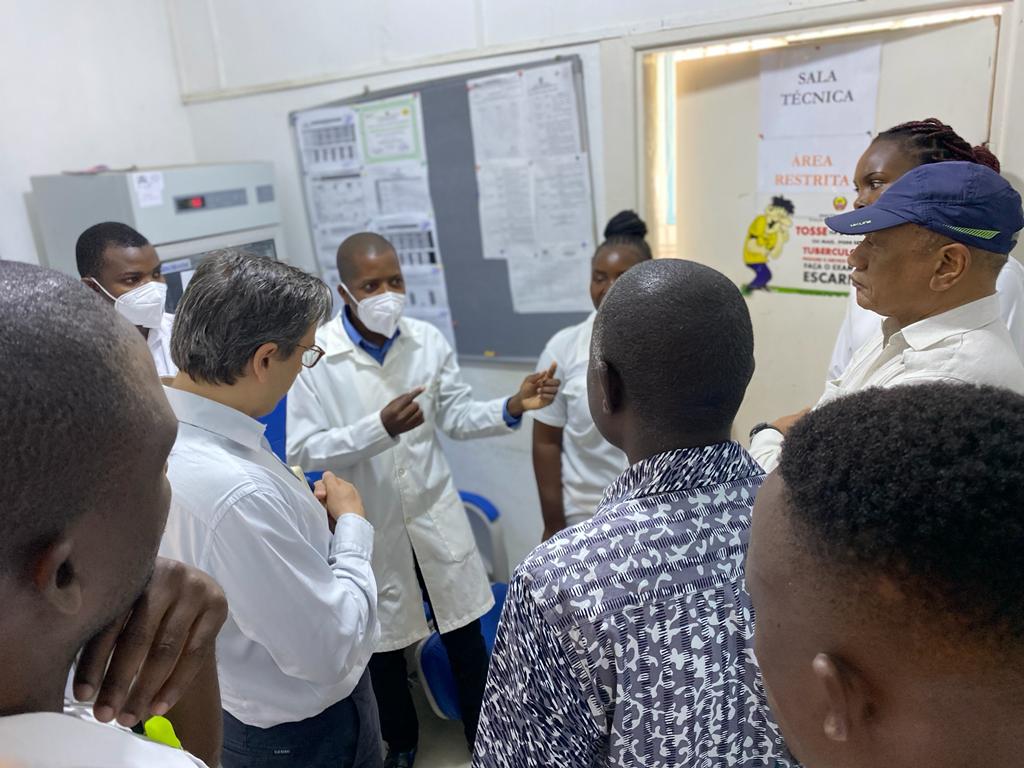
When the first 17 health facilities began offering lenacapavir in Zambézia in April 2026, that moment was the result of several months of preparation. It was necessary to organize services, adapt clinical procedures, train health professionals, develop support materials, and prepare community activities so that people would know about this new prevention option.
The introduction of lenacapavir in the first three provinces of Mozambique to administer the method — Maputo City, Maputo Province, and Zambézia — resulted from joint work between the Ministry of Health, the Provincial Directorate of Health, the Provincial Health Services, and implementing organizations, including C-Saúde.
For Dr. Zafiro De Almeida, Provincial Prevention Coordinator for C-Saúde in Zambézia, this new modality responds to a need long identified by health services:
“The introduction of Lenacapavir expands the available prevention options, offering a long-acting strategy more adapted to the needs of people for whom taking pills daily represents a challenge.”
The first results
Receptivity to the new method became evident in the very first weeks. At the Chabeco Health Centre in Quelimane, Suraia João, General Medicine Technician and PrEP focal point, accompanied the first clients who decided to initiate the method: “Acceptance has been very positive, especially among people who had difficulty maintaining daily adherence to oral PrEP or who were looking for a more practical and discreet alternative.” The process includes counselling, clinical evaluation, an HIV test, and the administration of the injection and complementary pills during the same visit.
Between April and June 2026, 3,488 people initiated lenacapavir across the 17 health facilities supported by C-Saúde, through funding from the United States Government.
An opportunity also during pregnancy and breastfeeding
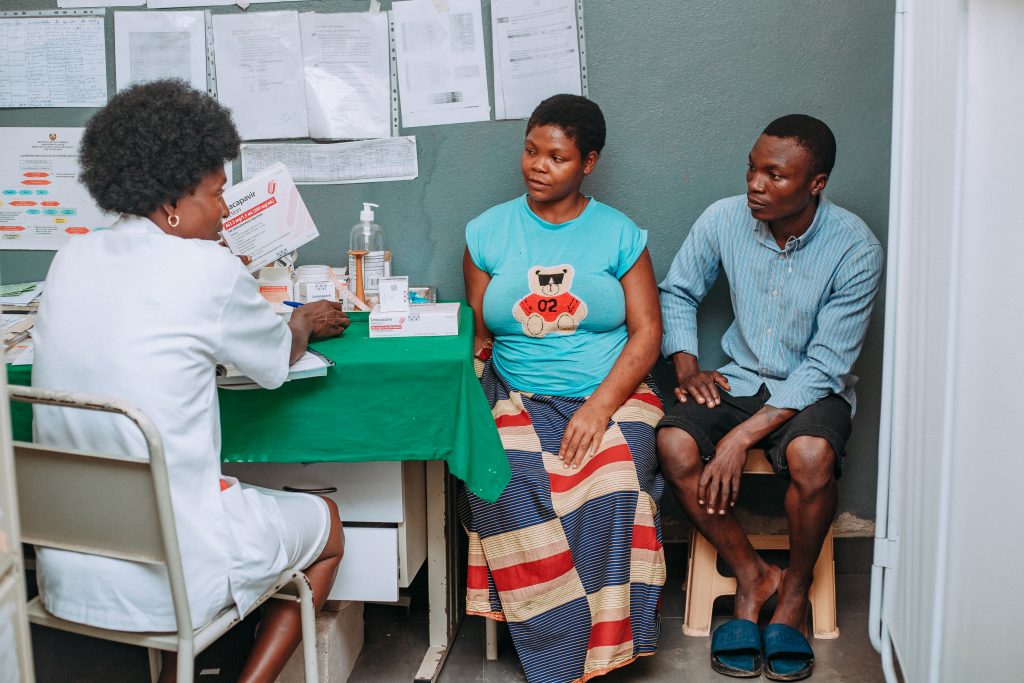
Lenacapavir could represent an important reinforcement of HIV prevention during pregnancy and the breastfeeding period, phases in which a new infection increases the risk of virus transmission to the baby. A review conducted by C-Saúde in the province of Zambézia analyzed 158 clinical files of mothers of children with a positive PCR test for HIV. Among those cases, 29 women (18%) acquired HIV after testing negative during antenatal care or at the maternity ward. These results reinforce the importance of providing effective prevention options throughout pregnancy and during breastfeeding. For Leonilde Mediasse, provincial PrEP focal point at the Provincial Directorate of Health in Zambézia, the success of this approach depends on the continuity of joint work between health services and implementing organizations.
“It is important to highlight the role of implementers like C-Saúde, who have been alongside health services since the preparation for the introduction of lenacapavir. Support in training professionals, technical support, strengthening services, and community activities helped create the necessary conditions for quality service delivery.”
The expansion of lenacapavir to other health facilities in the province will happen gradually, following drug availability and Ministry of Health guidelines. For Isa, it means being able to stay protected with an option that better fits her daily life. For health professionals, it represents another response to community needs. And for the teams that prepared this implementation, it confirms the importance of the work carried out even before the first injection reached the client.