When rumors and fear become more contagious than any disease, the consequences can be fatal. In April and May of 2026, Mozambique experienced this firsthand.

Between April and May 2026, at least 40 people lost their lives and more than 70 were injured as a result of violence driven by misinformation, rumors, and collective panic associated with Koro Syndrome, a psychological disorder characterized by an intense and irrational fear that the genitals are shrinking or disappearing. The episodes of violence affected the provinces of Zambézia, Sofala, Manica, Niassa, Nampula, and Cabo Delgado, according to reports in the national and international press.
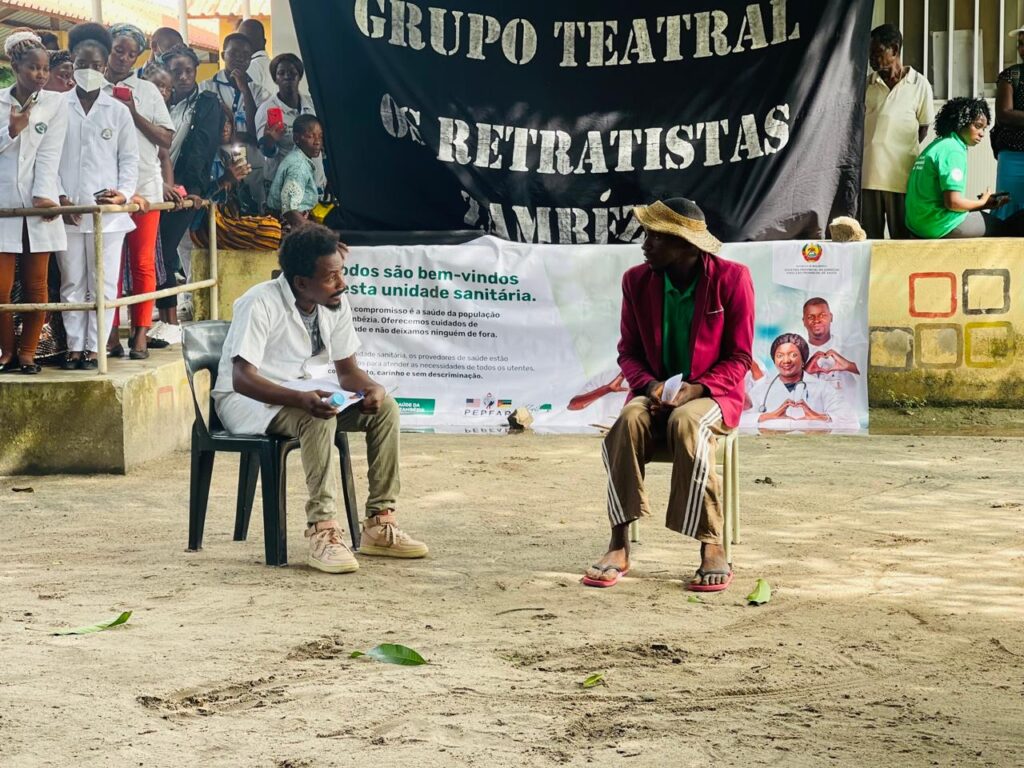
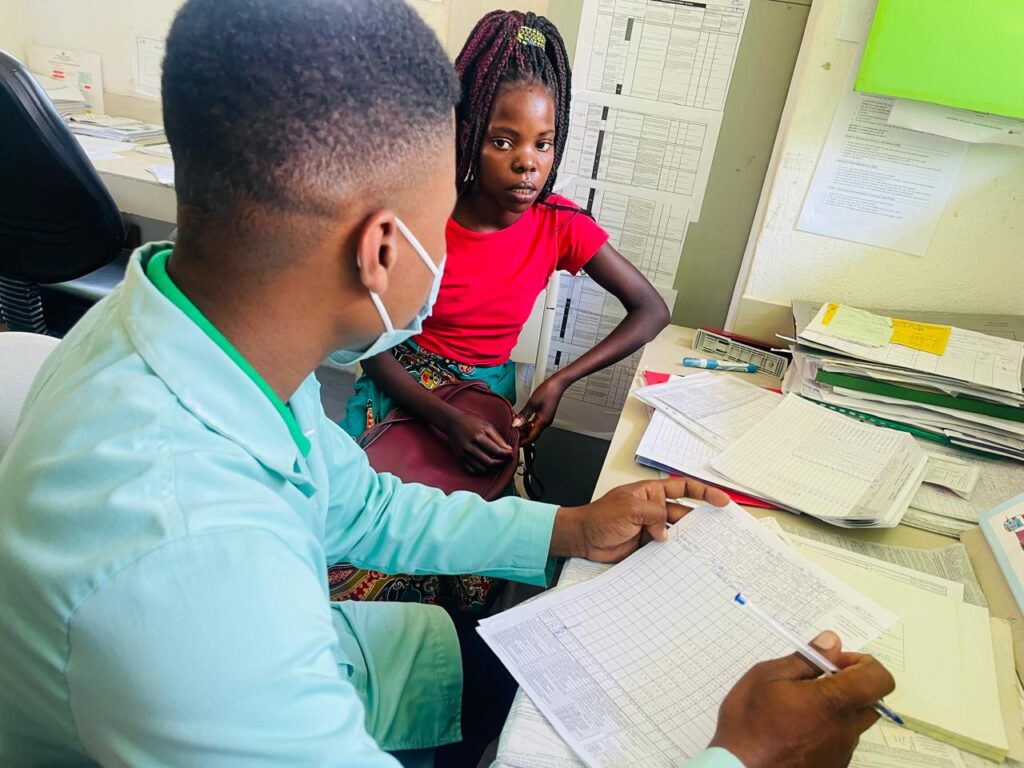
Zambézia was among the most severely affected provinces. Various C-Saúde staff members experienced this violence firsthand: healthcare providers and others connected to the sector were among the groups accused of “stealing” or atrophying the genitals of community members they serve.
The consequences were immediate and tangible: some health facilities remained closed for weeks, particularly in the districts of Mocubela, Pebane, and Maganja da Costa, compromising access to essential healthcare.
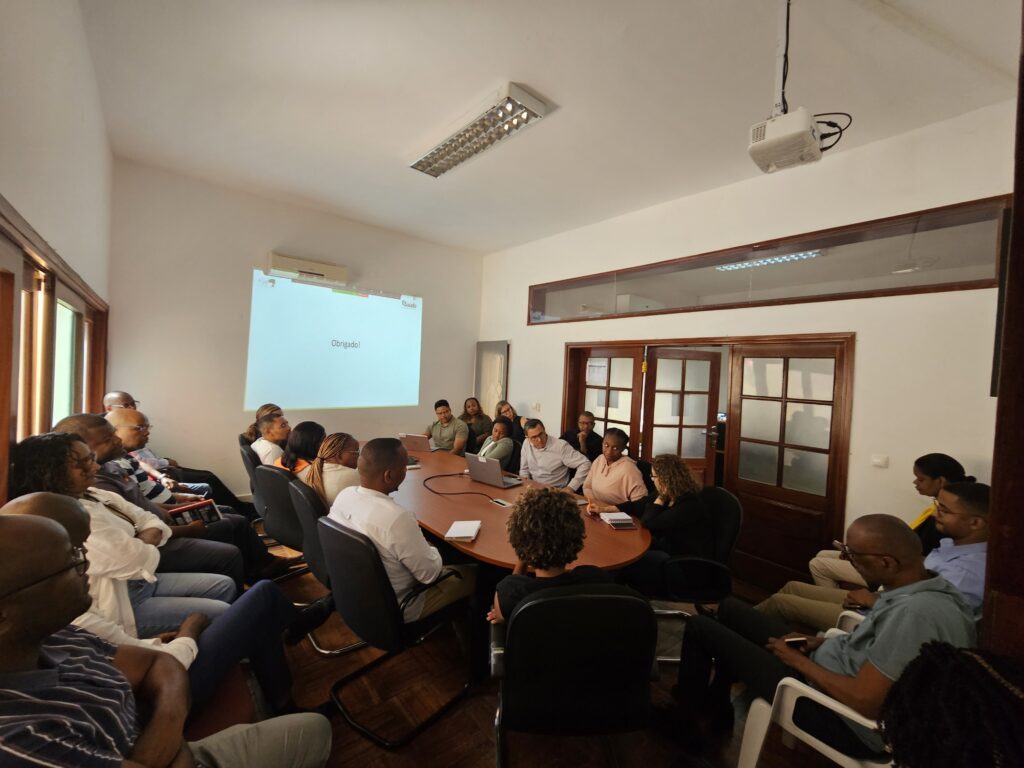
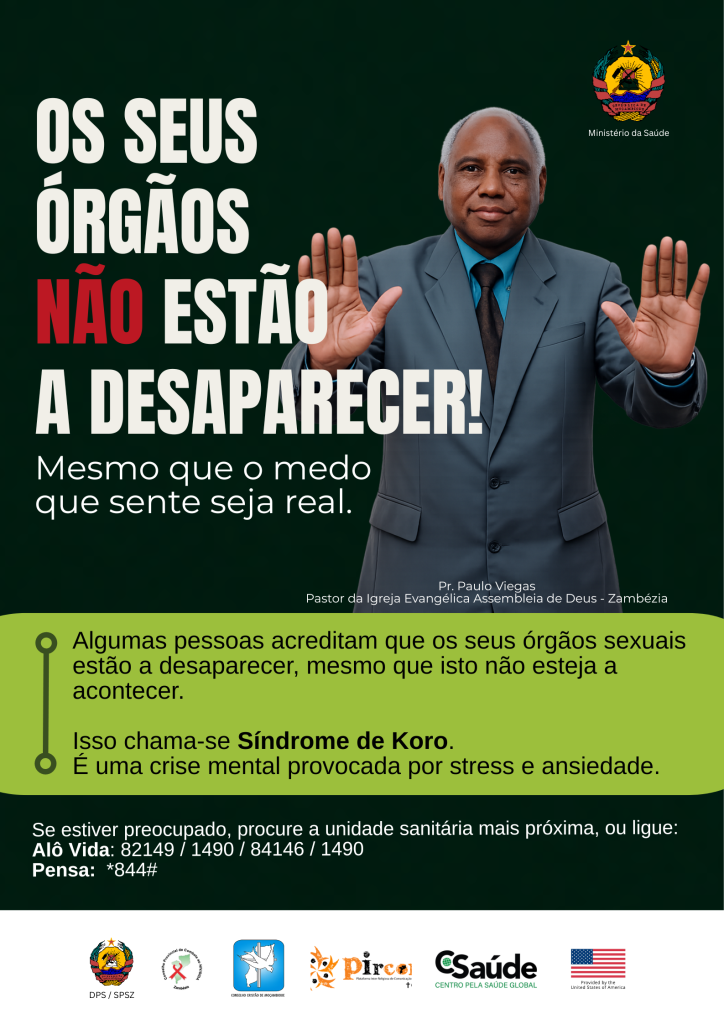
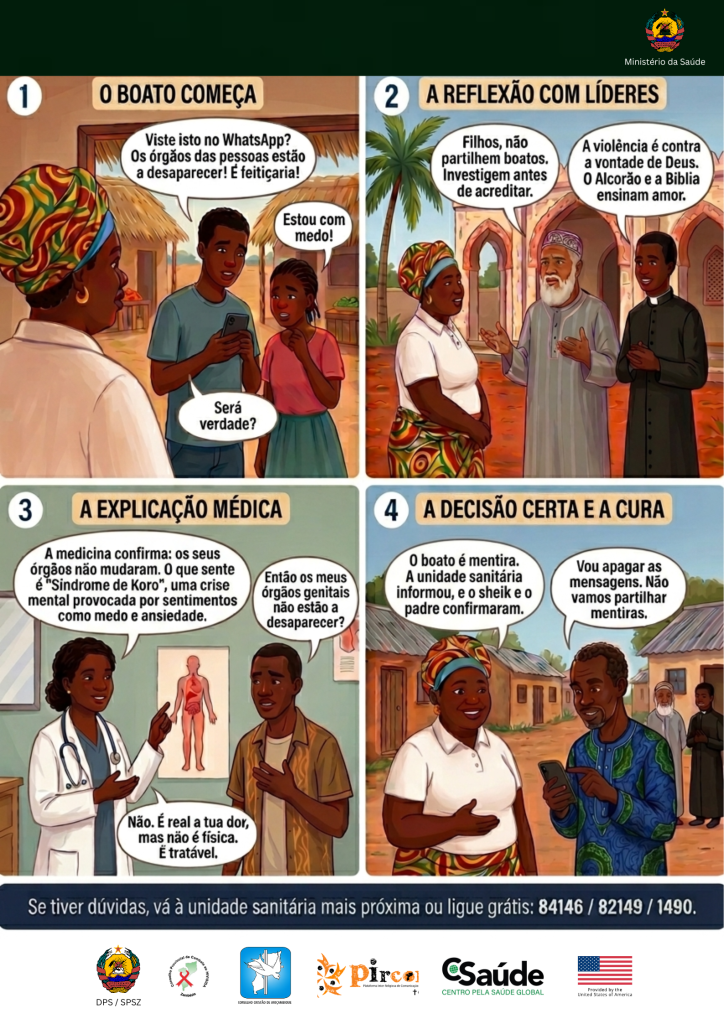
In response to the urgency of the situation, a working group was established under the guidance of the Zambézia Provincial Health Directorate, bringing together the Provincial Health Services, the Provincial Council for Combating HIV and AIDS, C-Saúde, and religious leaders from the province, represented by the Islamic Council of Mozambique (CISLAMO), the Christian Council of Mozambique (CCM), and the Inter-Religious Platform for Health Communication (PIRCOM). Joint strategies to counter the rumors and the violence associated with them resulted in communication materials in which different religious leaders took center stage as the face and voice of the messages.
Koro Syndrome is a clinically recognized psychological disorder, triggered by acute stress and anxiety, frequently amplified by rumors, cultural beliefs, and what is known as “social contagion”, the process by which fear spreads among community members as though it were an infection. There are no physiological mechanisms that cause genitals to disappear: what victims feel is real, but its origin is psychological and it is treatable.
This was not the first misinformation outbreak with a direct impact on public health in Mozambique, nor even the first this year: in early 2026, communities in Nampula pursued and stoned health activists and workers in the context of a cholera outbreak, accusing them of causing the disease. Before that, similar episodes marked vaccination and treatment campaigns for various diseases across several provinces.
The pattern is recurring: misinformation that turns healthcare workers themselves into targets, drives communities away from services, and worsens the very crises it claims to explain. The examples cited point to the urgent need for robust, sustained strategies in health communication, misinformation and rumor management, and community engagement — before the next rumor spreads.
This success story is made possible by the generous support of the United States Government.