“Our greatest legacy is to ensure the sustainability of interventions and results, even in C-Saúde’s absence.” — Helder Boavida, C-Saúde Graduation Focal Point in Zambézia Province
For more than 20 years, USG-supported institutions have provided support to the Government of Mozambique (GoM) health authorities in Zambézia through direct service delivery and technical support. In 2023, C-Saúde, in cooperation with the GoM and the Centers for Disease Control (CDC), began a gradual process of transferring these responsibilities to government authorities, known as graduation. This process aims to strengthen government ownership of interventions while preserving the systems and practices that ensure the continuity of HIV services.
The first dimension of graduation is financial. By September 2026, 10 of the 19 districts in Zambézia supported by C-Saúde had completed this stage, covering more than 350 health workers. Training, joint supervision, and mentorship prepared district officials to manage these activities with greater autonomy.
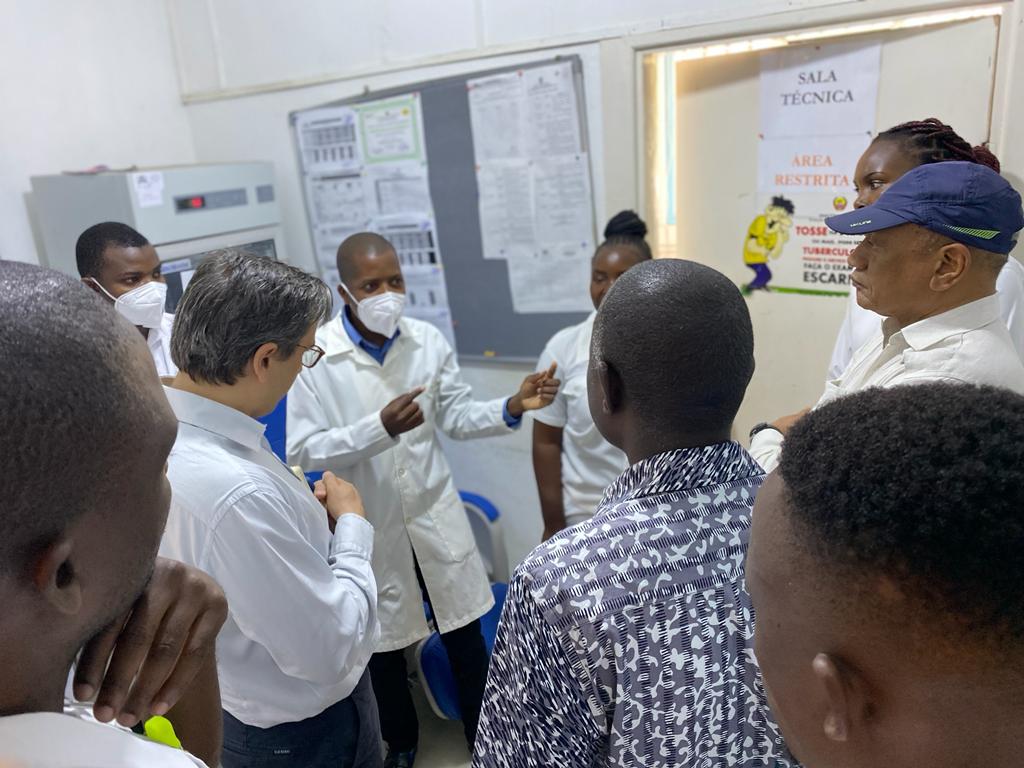
The second dimension is technical. District teams progressively take on activities previously carried out by C-Saúde staff, leading visits to health facilities, reviewing performance, and identifying and addressing service delivery gaps. Throughout this process, C-Saúde continues to support provincial data reviews. By September 2026, 18 health facilities had completed this transition.
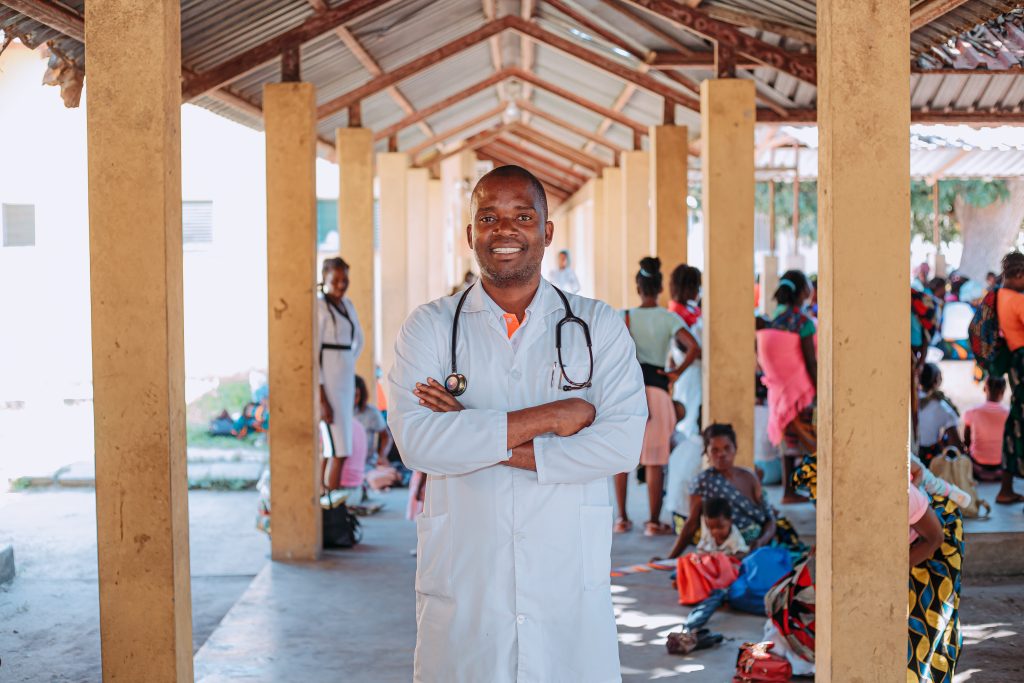
According to Boavida, strengthening joint supervision has been one of the most important changes. Under this approach, provincial and district officials identify gaps, guide health facility teams, and monitor their performance.
C-Saúde has also supported the systematic use of standard operating procedures (SOPs), clinical workflows, and monitoring tools, including those related to viral load testing. The aim of this support is to ensure that consistent service delivery practices continue beyond the period of C-Saúde’s support. As Emílio acknowledges: “We have learned so much from our C-Saúde colleagues!”
The experience in Nicoadala served as a reference for subsequent graduation processes, including in Mocuba, where five health facilities took part in this transition. District authorities now lead technical supervision, the regular review of HIV indicators, and the planning of measures to address identified gaps.
“Discussions of data at each health facility, the development and follow-up of action plans, the availability of activity documentation, and ownership of the process of improving indicators have all been sustained,” says Dionísio Maitor João, Mocuba District Director of Health.
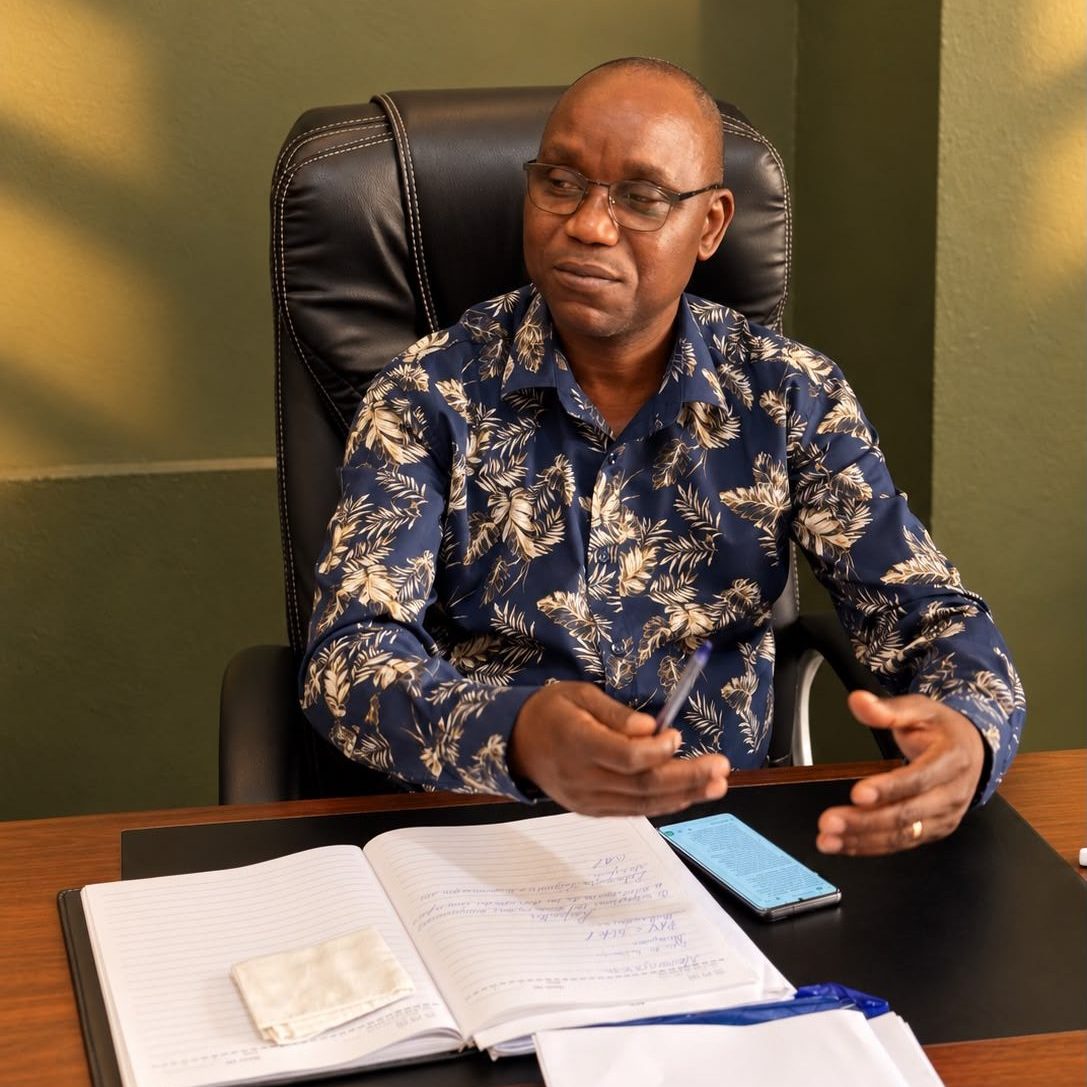
Ultimately, graduation represents an investment in people, systems, and management practices that ensure the continuity of HIV services. This process enables district teams to become increasingly prepared to maintain service quality and the results achieved, with progressively less support from external institutions.
This success story is made possible by the generous support of the United States Government.